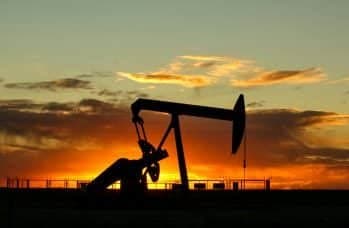
Oil prices have jumped sharply to $100 a barrel, fueled by reports that former President Donald Trump is weighing substantial military intervention against Iran. This spike follows recent attacks by Houthi rebels on Saudi oil tankers, which sparked fresh anxiety over supply chain vulnerabilities in the region's key shipping lanes.
Geopolitical Tensions Drive Market Volatility
The Financial Times highlighted that Brent crude, a key global benchmark, has climbed over 10% since hostilities escalated. The situation shows the fragile state of oil supply routes through the Middle East, where disruptions have become a serious concern for traders and energy companies alike. Markets are reacting not only to the possibility of direct conflict but also to the broader risk environment destabilizing global crude flows.
What to Watch Next in Oil Markets
Attention now centers on any military decisions Trump might announce, as these will have immediate repercussions for oil prices and global energy security. also actions taken by OPEC and major oil producers remain key in balancing supply against the rising geopolitical risks. Even modest shifts in conflict dynamics could push prices further or help ease market tensions.
Investors remain cautious, tracking developments closely as uncertainty grows. The link between geopolitical events and energy costs highlights how quickly global markets can react to flashpoints. This latest jump to $100 per barrel reflects real fears about supply shortfalls amid geopolitical volatility.
This article is for informational purposes and does not constitute financial advice.