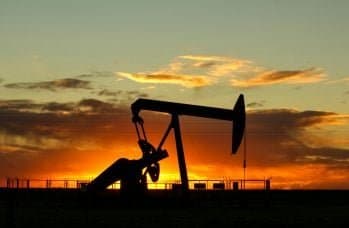
When Brent crude hit about $95 a barrel this week, the jump wasn’t a coincidence. Rising tensions in the Middle East, especially around vital shipping routes like the Strait of Hormuz and the Red Sea, have traders worried that oil supplies could be disrupted. These fears pushed prices up sharply, signaling that energy markets are on edge amid growing geopolitical risks.
The situation has some experts forecasting that crude could hit new all-time highs before the year ends. The market’s odds for this outcome have increased recently, now showing a 12% chance of record prices by the end of September, up from 7% just a day earlier. This jump reflects how quickly sentiment shifts when conflicts threaten the steady flow of oil.
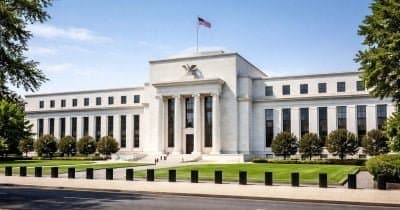
But it’s not just oil prices that are reacting. Higher energy costs often ripple into broader economic issues like inflation. A recent panel discussion explored how climbing oil prices might pressure inflation and, in turn, influence central banks’ decisions on raising interest rates. That cycle could slow down some sectors and impact overall economic growth.
The panel also touched on how these tensions intersect with other global trends. For instance, the growing demand for AI technology ties directly to energy consumption and semiconductor production both sensitive to supply chain disruptions. Defense spending is another factor amplifying the complexity of this mix.
Meanwhile, the potential effects of the CLARITY Act and the upcoming shutdown of BitMEX were discussed, highlighting how regulatory changes might interact with market volatility.
Keeping an eye on developments in the Middle East will be key in the coming weeks. Any escalation or blockage of shipping routes could send oil prices even higher. Central banks’ reactions to inflation pressures will also play a key role in shaping economic outcomes. These intersecting forces create a volatile picture for markets heading into the fall.