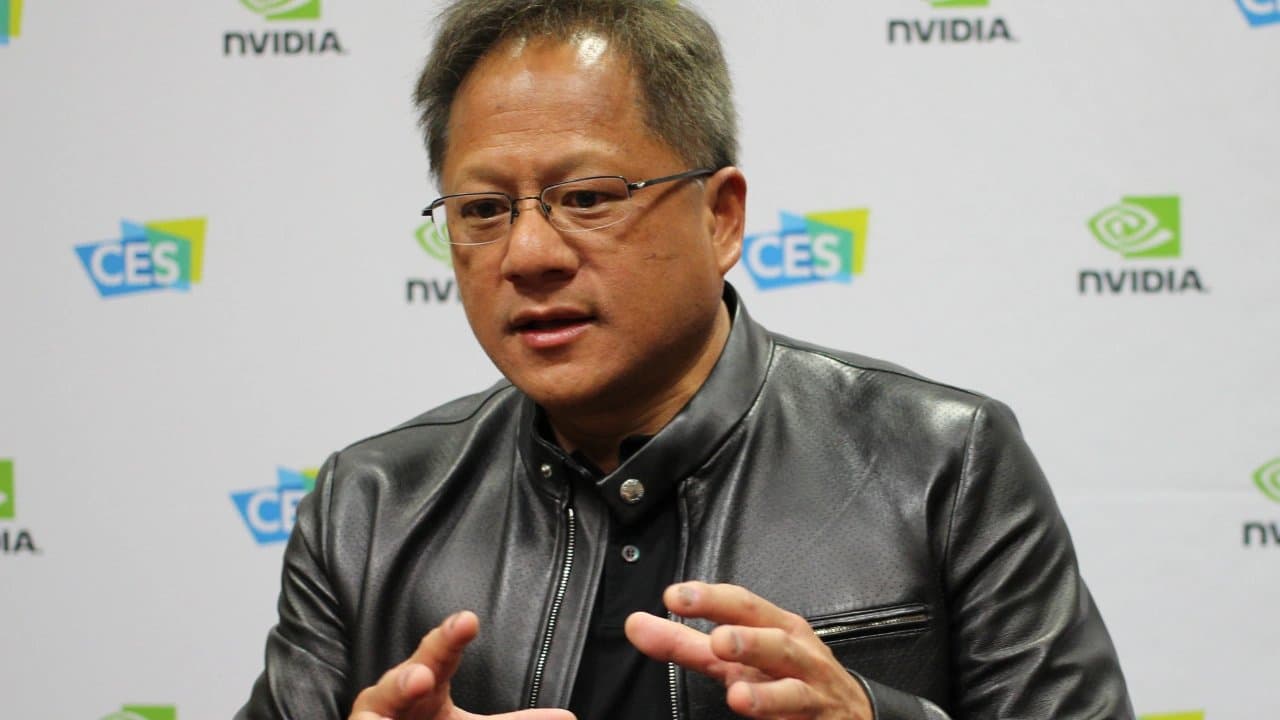
Nvidia CEO Jensen Huang launched his first post on X by endorsing a letter signed by major tech players including Microsoft, Dell, and Palantir. The letter urges the US government to avoid banning open-weight AI models, particularly those from Chinese companies.
The Trump administration is considering restrictions on Chinese AI systems such as Moonshot AI's Kimi K3. Huang’s message stands in clear opposition, emphasizing the need for open access to AI models to spur innovation and maintain cybersecurity. He described Chinese open-source AI as "excellent" and advocated for allowing American companies to use them freely.
Backing Open Source AI for Competitiveness
The letter positions open-weight models as vital for preserving national competitiveness in the AI sector. It draws parallels with the 1980s open-source software movement, arguing that US leadership depends on fostering a diverse and widespread AI ecosystem instead of focusing on a single dominant model. Microsoft, a co-signer, similarly stressed that leadership is built on broad access and innovation across industries.
Investors like venture capitalist Bill Gurley, who helped circulate the letter, highlighted the strategic advantage of open models in global AI competition. He warned that without leadership in open AI, the US risks falling behind entirely. Andreessen Horowitz co-founder Ben Horowitz also weighed in, asserting that maintaining open access to AI models prevents technology concentration in just a few companies, preserving wider benefits.
Key Signatories in the Debate
- Nvidia (NASDAQ: NVDA)
- Microsoft (NASDAQ: MSFT)
- Dell (NASDAQ: DELL)
- Palantir (NASDAQ: PLTR)
Huang’s stance contrasts with Anthropic and some US officials who advocate tighter controls on Chinese AI labs. His appearance on X to push this message shows how open AI models have become a frontline issue in US-China tech relations.
This material is for informational purposes and does not constitute financial advice.