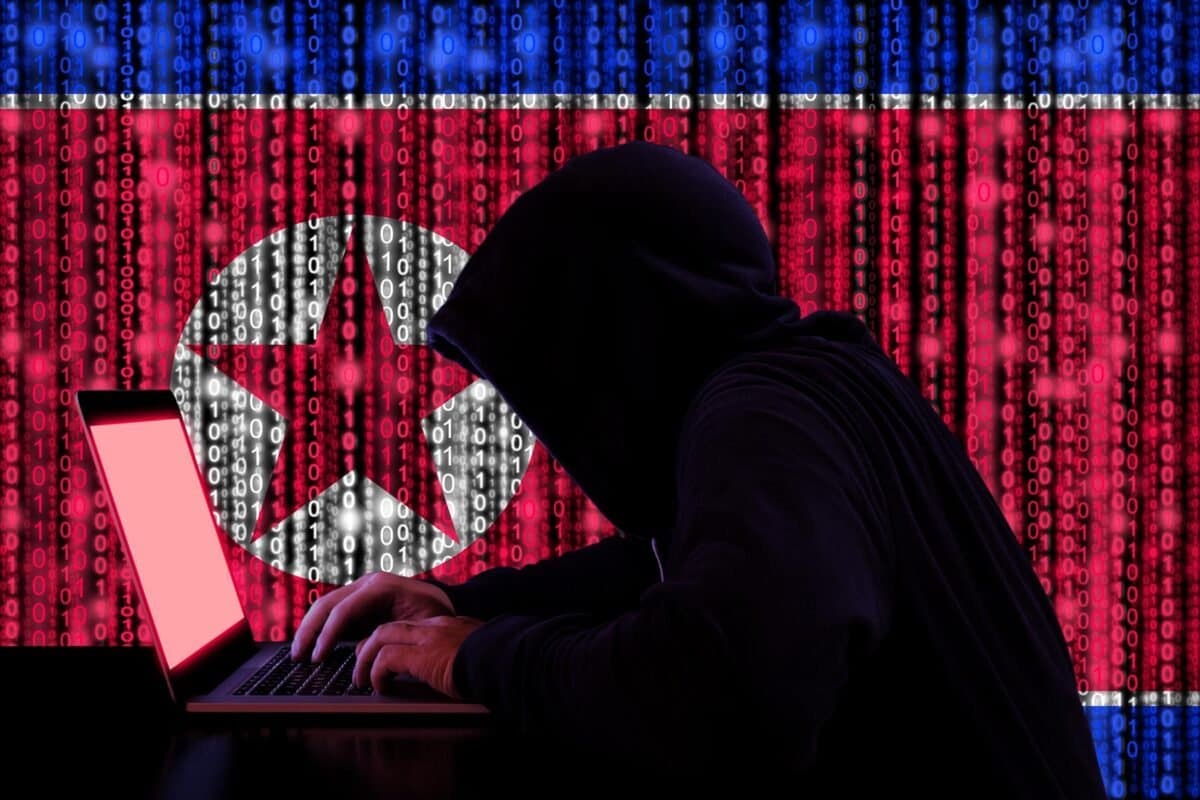
"This operation confirms the lengths to which Pyongyang will go to shield its illicit finances," said a blockchain intelligence expert familiar with North Korean cyber tactics. Reportedly, North Korea's National Intelligence Agency arrested former military hackers accused of diverting state funds by laundering stolen assets through cryptocurrency networks. The arrests took place on July 12 at a safe house in Pyongyang, following detection of suspicious foreign-currency transactions and unusual overseas digital activity.
According to sources cited by Daily NK, the suspects penetrated the internal systems of the Central Bank of the DPRK and the Foreign Trade Bank. They siphoned foreign currency reserves and trade funds into crypto wallets controlled outside North Korea. The operation involved a complex laundering network utilizing overseas cryptocurrency wallets and Chinese over-the-counter brokers to convert stolen funds into U.S. dollars and Chinese yuan. Border cities such as Sinuiju and Hyesan allegedly played a role in facilitating cash conversions, with the suspects breaking down large transfers into smaller amounts to evade detection. Coordination reportedly relied on encrypted messaging, unregistered phones, and Chinese telecom equipment.
The reported techniques mirror those uncovered by blockchain investigators, including firms like TRM Labs, who have linked North Korean cybercrime groups to decentralized cross-chain protocols and multi-layered laundering tactics. These methods, focusing on converting stolen digital assets into fiat currency through Chinese brokers, remain a key target for international enforcement efforts seeking to choke off Pyongyang’s financial lifelines. The United States has sanctioned multiple individuals and entities believed to support these illicit transactions, underscoring the global push to disrupt such networks.
North Korea continues to rank among the most active state actors in cryptocurrency-related cyber theft, with Chainalysis revealing record amounts stolen by these groups in recent years. The recent detentions add a rare glimpse into internal crackdowns within the regime’s own ranks amid mounting pressure on its illicit financial channels.