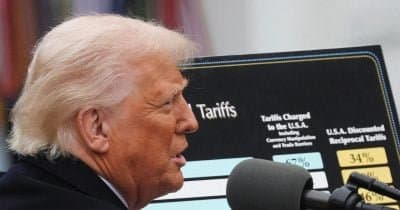
On July 20, 2026, the Trump administration slapped a 50% tariff on select goods from Canada, including wine, hockey sticks, and cement, with the duties kicking in after a 30-day notice period.
Just two days later, the U.S. introduced fresh tariffs ranging from 10% to 12.5% on imports from over 80 countries, replacing a previously expired global surcharge.
This move follows a legal twist earlier this year when the Supreme Court blocked broader tariffs based on the International Emergency Economic Powers Act, forcing the administration to rely on alternative laws like Sections 301 and 232 to justify the new levies.
As of late July, the average U.S. tariff rate stands at 12.1%, up sharply from the post-World War II era norm of 2-3%. Trade officials have also launched investigations under Section 301 targeting issues such as manufacturing overcapacity and forced labor.
Cryptocurrency markets have felt the impact. Historically, Bitcoin and Ethereum dip shortly after tariff announcements, reflecting a wider risk-off mood across stocks and commodities. But the bigger concern lies with U.S. crypto miners.
Bitcoin mining rigs, known as ASICs, are mostly imported and now face tariffs between 19% and 57.6%, depending on their country of origin. This pushes up equipment costs, squeezing the profit margins of smaller miners and potentially forcing many out of the market, leading to mining power concentrating among larger players.
Despite these challenges, Bitcoin's role as an inflation hedge remains plausible. Rising tariffs add to production costs, which can trickle down to consumers through higher prices, ultimately reducing purchasing power.
Investors should monitor how courts address the administration's use of Sections 301 and 232, as well as any further effects of tariff-driven ASIC cost increases on mining operations.