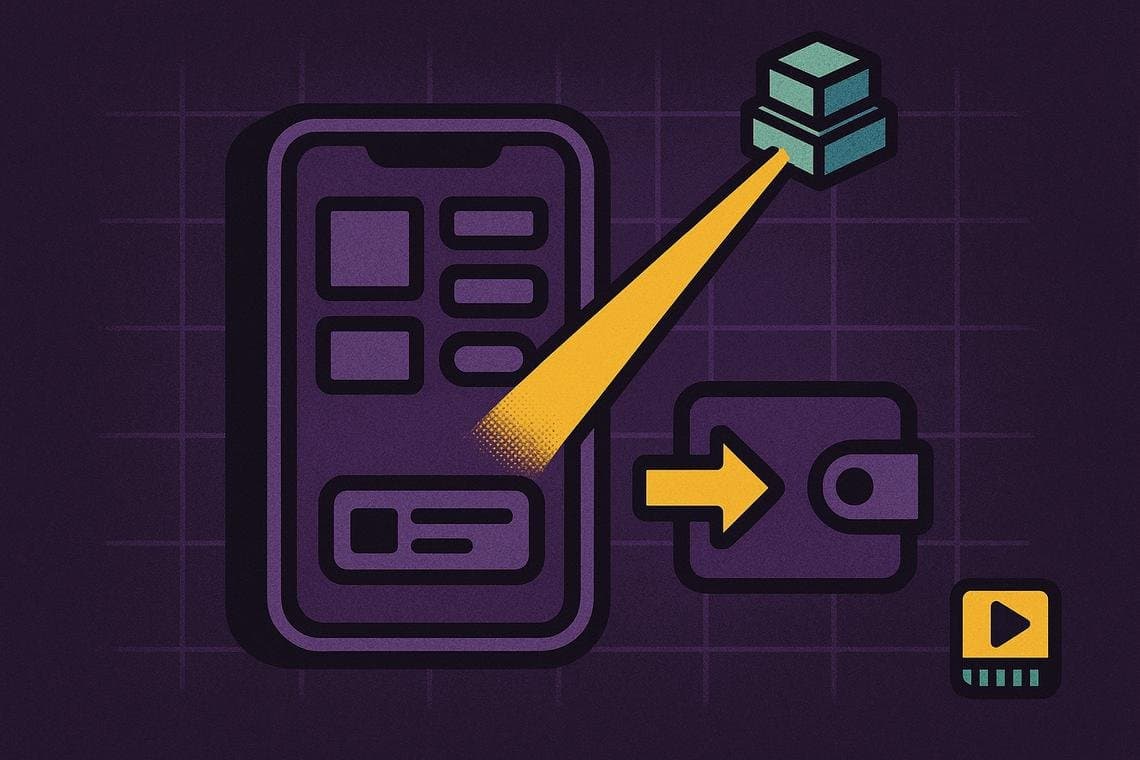
On July 23, 2026, BFM Company Limited launched Bitcoinist.App for iOS, an innovative way to mine Bitcoin without owning mining rigs. Unlike traditional setups that require heavy investment in hardware or infrastructure, this app enables users to control real Bitcoin mining remotely from their smartphones.
The app itself does not perform mining on the iPhone but serves as a control interface for hashpower hosted in data centers across the UAE and other facilities worldwide. Users rent mining power in 1 TH/s increments through in-app subscriptions, allowing them to earn Bitcoin payouts directly to their own self-custody wallets. Importantly, Bitcoinist.App does not hold users’ funds, which aligns with regulatory compliance.
Education Meets Mining
Bitcoinist.App integrates a 31-lesson Bitcoin Academy, designed to teach users about Bitcoin mining and blockchain. By watching educational videos and engaging with rewarded advertisements, users can unlock free mining time, making it accessible even before committing to paid subscriptions. This approach addresses long-standing obstacles in Bitcoin mining, such as the costs and complexities of running hardware in hot climates or noisy environments, especially in developing countries.
The hosted mining rigs operate in data centers equipped to handle the power and cooling demands, bypassing the common challenges faced by individuals running rigs at home. This infrastructure-as-a-service model removes the need for expensive setups, air conditioning bills, and stable wired connections, enabling anyone with an iPhone to participate in mining.
BFM Company Limited holds the official Bitcoin mining license number 07010714 issued in Ras Al Khaimah, UAE, providing legitimacy to the operation. The app’s reliance on third-party mining facilities and marketplaces means that hashpower availability and performance might fluctuate. Still, the concept opens the door for a much wider audience to mine Bitcoin with minimal upfront costs and technical knowledge.
This app’s launch marks a shift in how mining accessibility is approached, especially for users who previously viewed mining as an exclusive domain for large-scale operators. It complements broader trends in the crypto space, where education and user empowerment play critical roles in adoption.