64% of people worry about major AI platforms, according to Reviews.org's 2026 report. That number matters because it reflects something deeper than privacy anxiety. It's a hard ceiling on adoption.
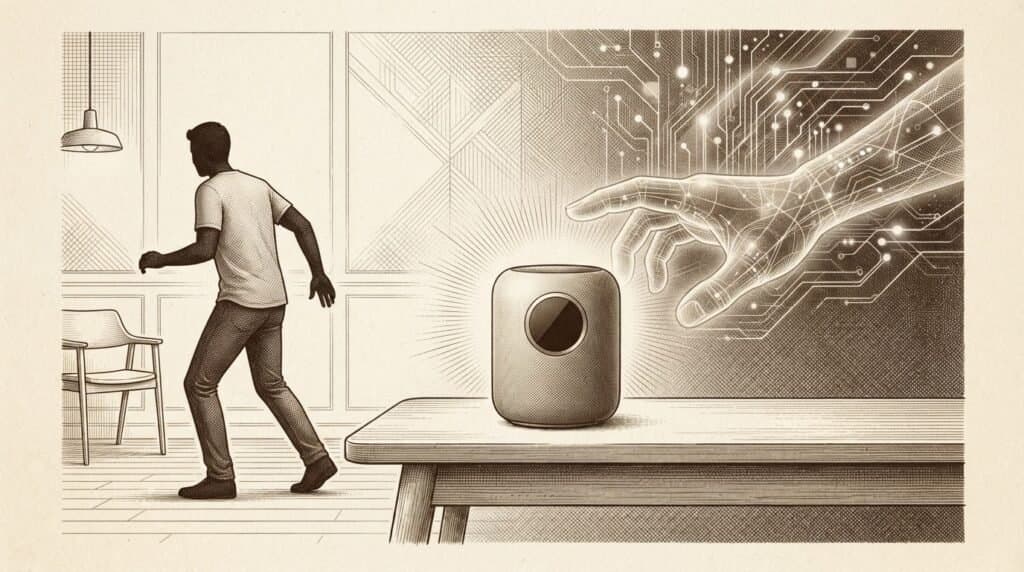
My smart speaker once ordered a space heater on its own. No request. It saw my calendar, noticed the temperature drop outside, and decided I needed heating. I didn't. The assumption felt less like convenience and more like someone reaching into my wallet without permission.
The tech industry frames this as a feature problem. Better algorithms, more data, smoother automation. Wrong angle. The real gap is permission. Companies are shipping agents that act first and ask never, then act confused when people push back.
Control concerns drive 26% of adoption decisions, per Wharton's Blueprint for AI Agent Adoption. We forgive humans for mistakes. We negotiate, we adjust expectations. When an AI system screws up, trust evaporates. People become systematically harsher judges of machines than they are of people, and the math is simple: losing trust costs money.
The verification habit proves it. Yext's data shows 93% of users verify AI recommendations before acting on them. For high-stakes choices money, health, legal matters 57% abandon AI entirely and go back to traditional search. People treat these systems like suggestion engines, not decision-makers.
Only 13% of consumers report trusting AI completely, Klaviyo's 2026 report found. Compare that to the IBM CEO Study showing an 85% access rate but just 25% regular usage. The gap is enormous. Employees have the tools. They're just not using them because the tools feel like uninvited guests, not partners.
This article is informational. It does not constitute financial or investment advice.