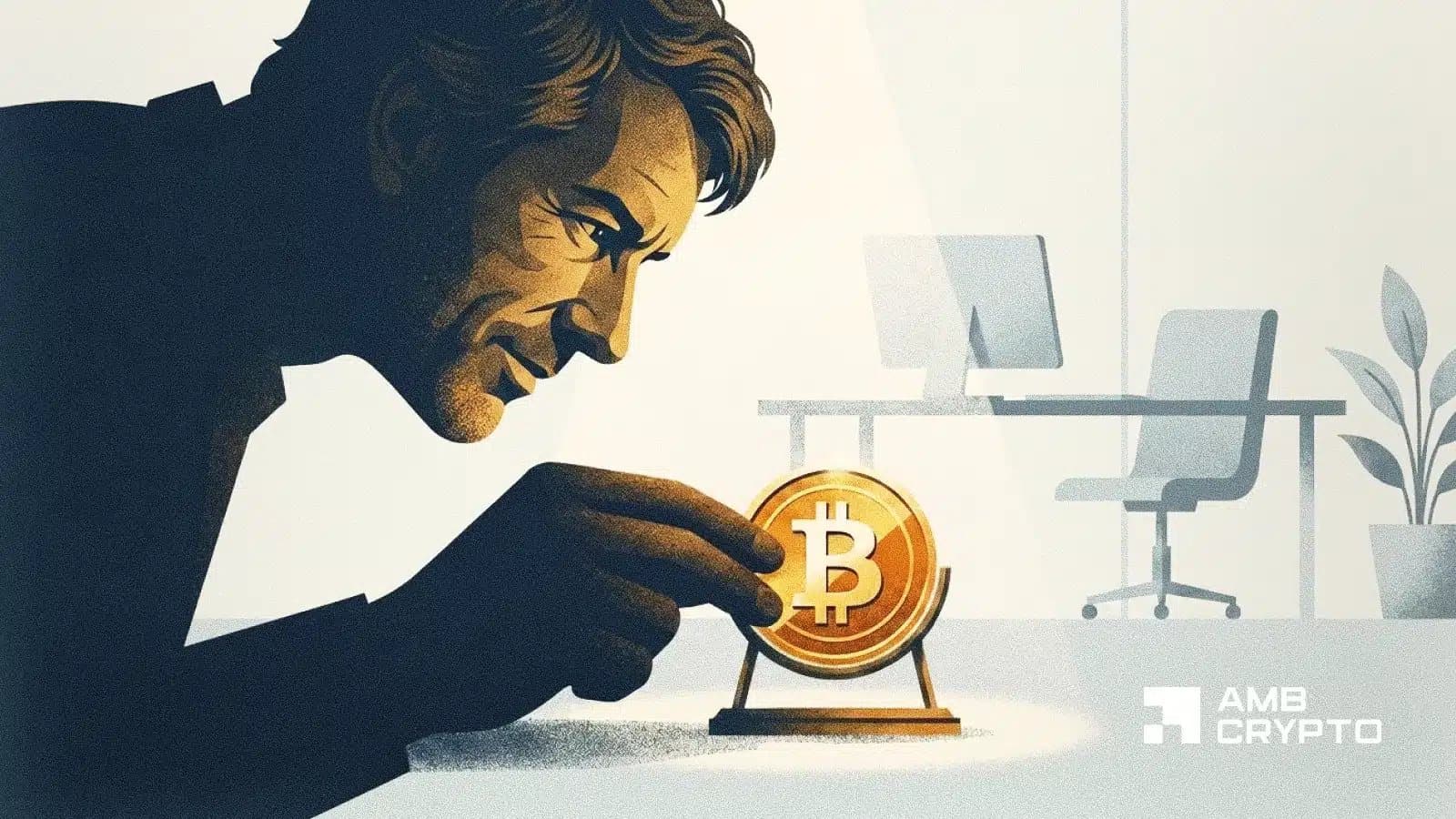
Michael Saylor has sharply criticized the Bitcoin BIP-110 soft fork, dismissing calls for changes to the protocol he says is functioning well. On July 27, he argued that new voices advocating for the fork are inexperienced and wrongly attempting to "fix what isn’t broken." According to Saylor, updates to Bitcoin’s core should be rare and conservative, emphasizing network stability over frequent tinkering.
The BIP-110 Controversy and Its Goals
BIP-110, known among supporters as the "Reduced Data Temporary Soft Fork," has become the most hotly contested Bitcoin proposal in 2026. It aims to temporarily reduce transaction data size to combat what backers call network bloat or spam. The proposal targets limiting Ordinals-like inscriptions thought to risk turning Bitcoin into a memecoin-heavy environment similar to Solana.
However, the idea is far from universally accepted. Influential figures like Saylor and Adam Back from Blockstream argue that Bitcoin’s protocol should remain steady without periodic alterations. Critics also warn that BIP-110 could expose some older BTC addresses to security vulnerabilities.
Community Reactions and What Comes Next
Saylor’s vocal opposition sparked immediate backlash. Paul Sztorc, a staunch advocate of BIP-110, accused Saylor of hypocrisy, pointing out his relatively recent entry into the Bitcoin space and the controversial ideas he has promoted in the past. Indeed, as recently as 2012, Saylor was skeptical about Bitcoin and saw it as a passing gamble. He has since shifted gears, founding the Bitcoin Security Consortium with heavyweights like Coinbase and BlackRock to bolster the network’s robustness.
Meanwhile, miner support for BIP-110 is slowly rising but remains low at 2.3%. The upgrade requires 55% miner signaling to activate before the August 9 deadline. Failure to reach this threshold risks a temporary network fork, potentially forcing exchanges to pause BTC transactions to adapt. Former Bitcoin miner executive Pierre Rochard has weighed in on the issue, highlighting the possible disruptions ahead.
This content is for informational purposes and not financial advice.