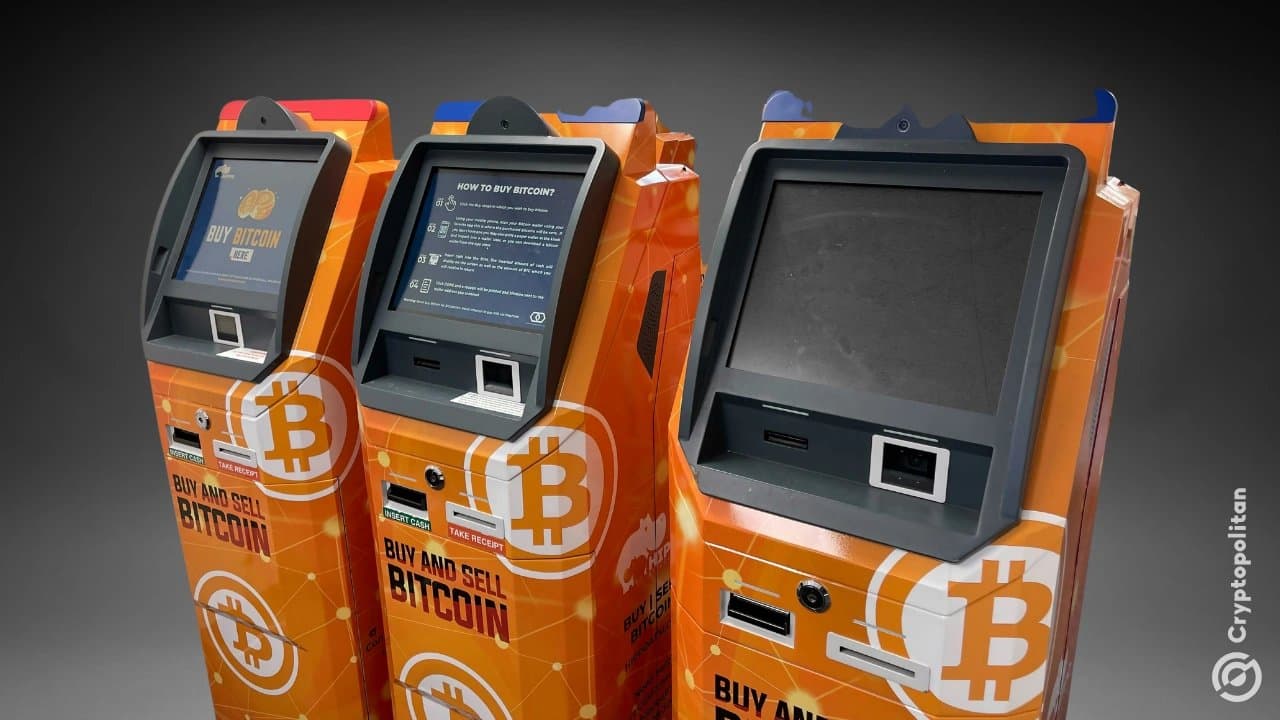
The Massachusetts Senate voted on Thursday to ban crypto ATMs after widespread reports of scams that have cost residents nearly $7 million in the past year.
Consumer advocates and law enforcement officials have raised alarms about these unregulated machines, which scammers exploit to quickly convert victims' cash into untraceable cryptocurrencies.
These crypto kiosks resemble regular ATMs and are commonly found inside convenience stores, pharmacies, and liquor stores across the state.
Norfolk County Sheriff Patrick McDermott explained that scams typically start with a call or text urging victims to transfer their savings into Bitcoin. The victim inserts cash into the machine, scans a QR code from the scammer, and the funds instantly move to an anonymous wallet.
The FBI reported 296 complaints related to kiosk scams in Massachusetts during 2025, resulting in losses of about $6.83 million, averaging nearly $19,000 per day statewide. Nationally, these scams have stolen $389 million over the past year.
AARP Massachusetts has been vocal in pushing for the ban. State director Jen Benson called the prohibition the most effective way to prevent further harm.
Currently, Massachusetts lacks specific regulations for crypto ATMs, making it the only New England state without rules governing these devices. This regulatory gap has attracted operators to the state, according to Sheriff McDermott, who stressed that removing the machines is the only option until formal laws are enacted.
Other states like Vermont, Minnesota, Indiana, and Tennessee have banned crypto ATMs outright, while 28 states impose various restrictions.
The ban was included in a broader economic development bill and still needs approval from the House. Until then, crypto ATMs remain legal in Massachusetts.