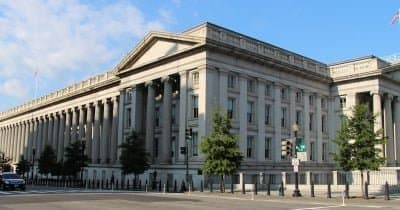
The yield on the 30-year U.S. Treasury bond hit its highest point in nearly two decades as investors brace for rising borrowing costs. This jump signals a shift in market sentiment, driven by inflation worries, climbing oil prices, and fiscal uncertainties that push long-term financing expenses higher.
Such moves ripple through the economy. Mortgage rates and other fixed-income products, sensitive to changes in bond yields, could become more expensive for consumers. Meanwhile, investors are watching closely, interpreting these yield hikes as a warning sign that the Federal Reserve might adjust its monetary policy approach sooner than expected.
Fed’s Next Moves Under the Microscope
Market pricing now reflects less confidence in a steady ‘Pause Pause Pause’ stance from the Fed in upcoming meetings, hinting at possible rate hikes or cuts. The Federal Open Market Committee’s decisions in the next few months will be scrutinized, especially with key data like July’s CPI and GDP figures on the horizon. Fed Chairman Kevin Warsh’s guidance will be key as investors weigh the implications for inflation and economic growth.
The rising 30-year Treasury yield adds pressure on the Fed’s balancing act, influencing not just interest rates but potentially reshaping market expectations and financing conditions nationwide.
This material is informational and does not constitute financial advice.