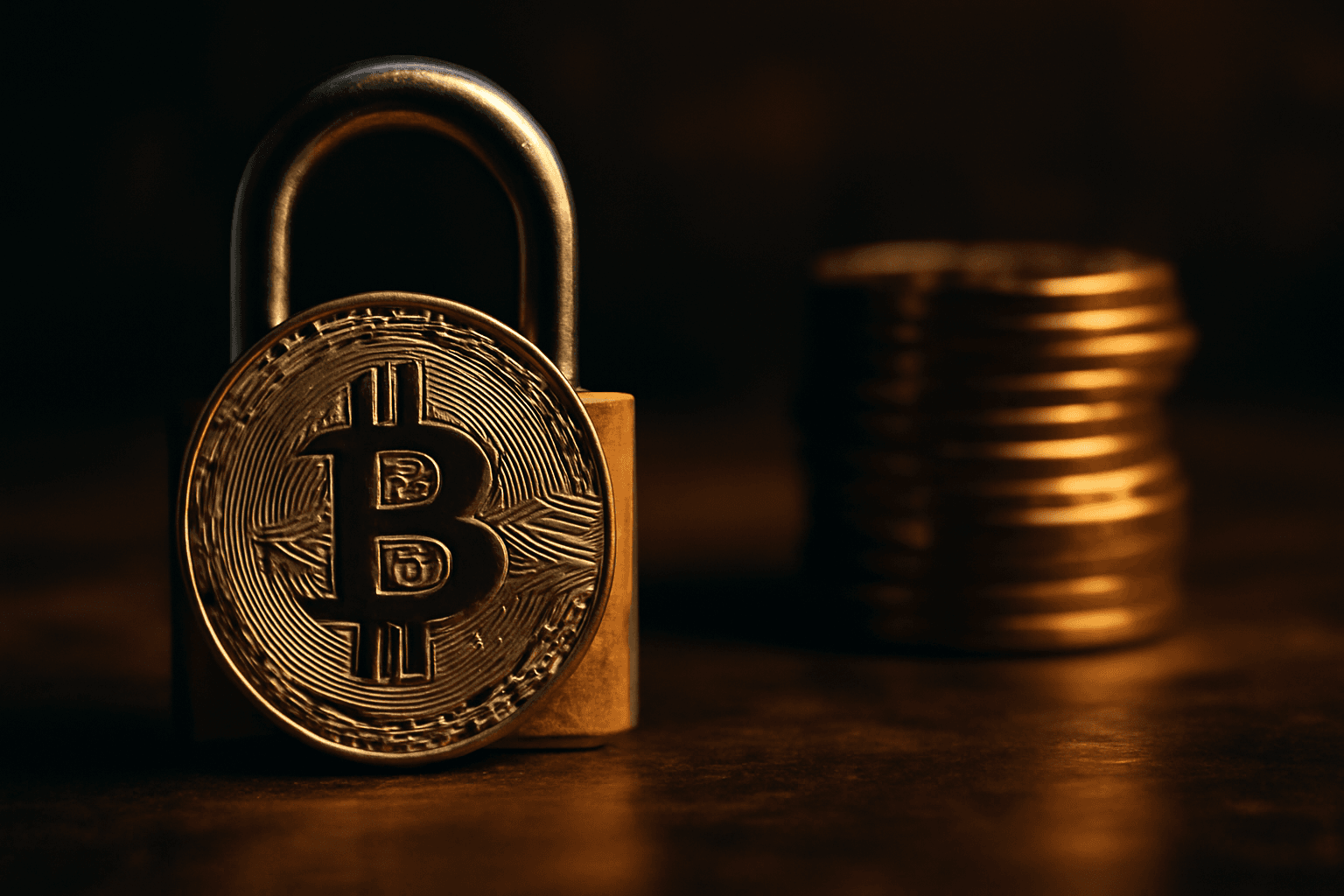
Locked liquidity used to mean safety for token holders. It stopped creators from pulling a classic rug pull by locking tokens in a contract they couldn’t withdraw from. But today, this lock can turn into a tool for ongoing scam revenue.
Traditionally, locking liquidity was a clear signal that a token’s pool couldn’t be drained in one swoop. Token buyers saw it as a strong protection against losing their investment when creators vanished with the funds. Guides still recommend checking for locked liquidity as essential before investing, and this advice is not wrong it prevents one of DeFi’s most damaging hacks.
However, launchpads now combine locked liquidity with creator fees that are claimable on every trade. This means the pool remains intact and can’t be drained, but the creator keeps earning a cut on every transaction, forever. The incentive shifts. Instead of rushing to rug the pool, attackers benefit more by staying and collecting fees indefinitely. That turns the supposed safety checkmark into a sign that the creator profits continuously at investors’ expense.
What locked liquidity hides
Locked liquidity does not guarantee fairness or safety beyond stopping the classic rug pull. It says nothing about how concentrated the token supply is, whether the contract has dangerous permissions, who controls the team, or if the token will even have active trading next week. Investors who rely only on this metric can miss bigger risks lurking beneath the surface.
For example, a token might have 100% locked liquidity but still funnel 2% of every trade to the creator’s wallet. Over thousands of trades, that adds up to substantial, ongoing losses for holders while appearing safe at a glance.
In a market where new tokens emerge mostly from launchpads, this nuanced dynamic has become critical to understand. Locked liquidity alone does not equal security it can be the foundation of a scam masked as safety.
This material is for informational purposes only and should not be considered financial advice.