Late Disclosure by FBI Chief Raises Conflict-of-Interest Questions Around Strategy Stock
FBI Director Kash Patel disclosed Strategy stock holdings months past the legal deadline, reigniting conflict-of-interest concerns given the firm's status as a US government contractor. The case highlights growing tensions between crypto-linked investments and regulatory authority.
When the head of one of the most powerful law enforcement agencies in the United States fails to meet mandatory financial disclosure deadlines, it is not merely a procedural slip — it becomes a signal worth examining closely, especially when the asset in question is a publicly traded firm with direct ties to the federal government.
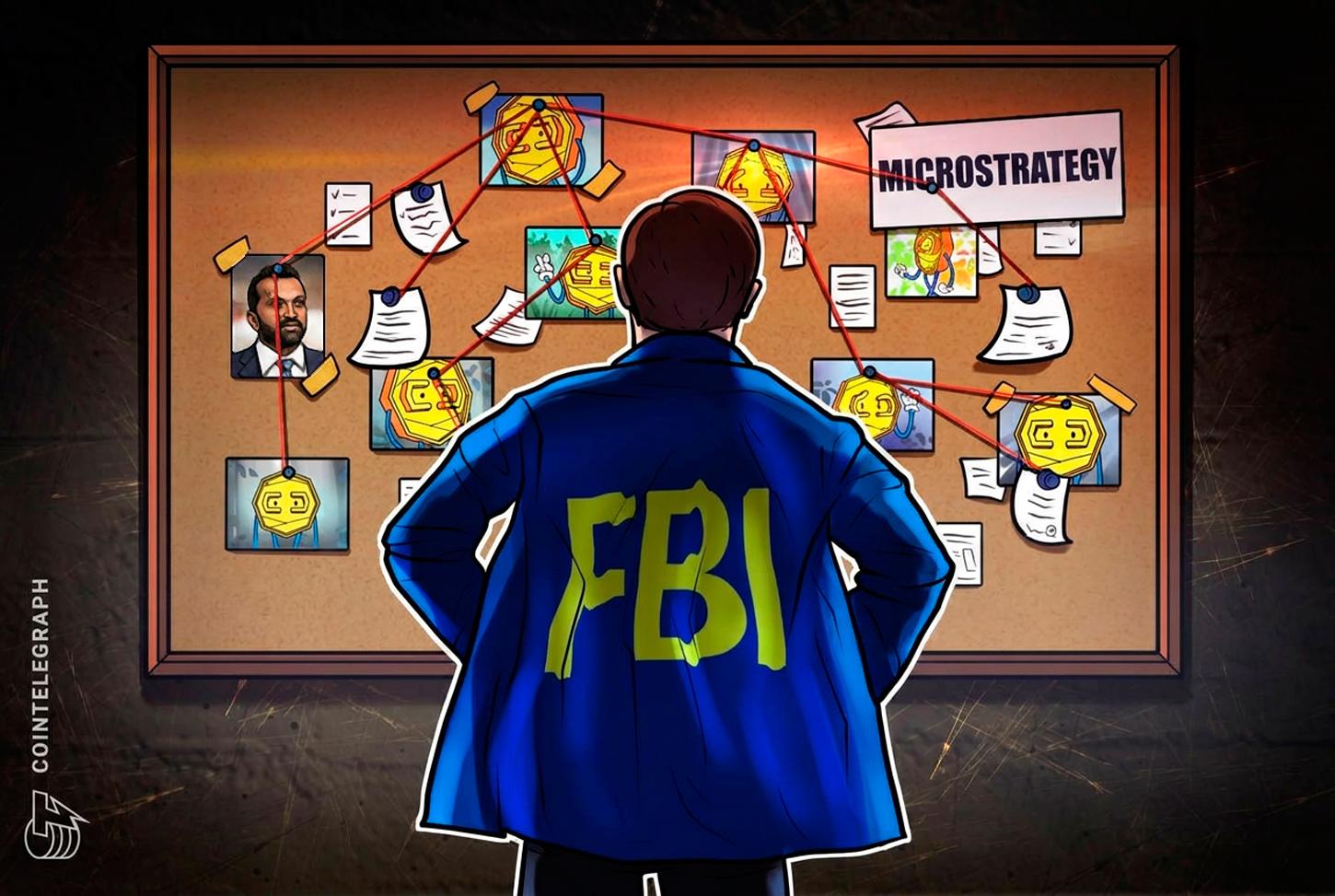
FBI Director Kash Patel recently disclosed his holdings in Strategy, the well-known Bitcoin-focused company formerly known as MicroStrategy, months after the legally required deadline for such filings. The reported position ranges between $100,001 and $250,000 in company stock — a bracket that, while not enormous by institutional standards, is significant enough to warrant scrutiny given the context.
What makes this disclosure particularly noteworthy is that Strategy is a registered US government contractor. That single fact transforms what might otherwise be a routine late filing into a potential conflict-of-interest scenario. Patel has publicly stated that «no current conflict exists» between his role as FBI Director and his financial stake in the company. However, the determination of whether a conflict exists is rarely left solely to the discretion of the individual holding the position — it is precisely the kind of question that oversight bodies and ethics watchdogs are designed to evaluate independently.
From a market and regulatory perspective, this episode carries broader implications. Strategy has become one of the most prominent vehicles for institutional and quasi-institutional Bitcoin exposure. Its stock price is closely correlated with Bitcoin's market performance, meaning that any senior government official holding its shares is, in effect, holding a leveraged bet on the crypto market. For an official whose agency oversees financial crime, cybersecurity, and increasingly crypto-related investigations, the optics are complicated at best.
For crypto investors and market observers, the situation underscores a growing tension: as Bitcoin and crypto-adjacent equities become mainstream investment vehicles, they inevitably enter the portfolios of policymakers and regulators — people whose decisions can directly move markets. This is not a hypothetical risk; it is a structural one that the industry and its watchdogs will need to address with greater rigor going forward.
The late disclosure also raises procedural questions. Financial disclosure rules for senior officials exist precisely to ensure transparency and public trust. A filing submitted months past deadline — regardless of the reason — erodes confidence in the enforcement of those very norms, particularly when the official in question leads an agency responsible for upholding the law.
For investors tracking the intersection of crypto, regulation, and Washington politics, this episode is a reminder that the lines between government, financial markets, and digital assets are becoming increasingly blurred. How regulators and ethics authorities respond to cases like Patel's will set important precedents for how crypto exposure is handled at the highest levels of government in the years ahead.