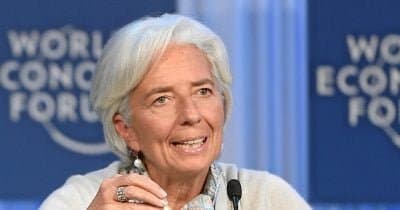
Three separate inflation scenarios, each tied to a different version of what happens in the Strait of Hormuz. That is what Christine Lagarde has commissioned from ECB staff ahead of the central bank's September policy meeting, as energy markets continue to set the pace for European monetary decisions.
Three scenarios, one chokepoint
The internal modelling covers a baseline, an adverse, and a severe path for oil and gas prices. The Strait of Hormuz is the common thread: roughly 20% of globally traded oil moves through that narrow passage, and any disruption there ripples almost immediately into European energy bills and, from there, into headline CPI.
Under the adverse scenario, euro area inflation could land anywhere between 3.5% and 4.4%. To put that in context, the ECB spent the better part of a decade trying to push inflation toward its 2% target, then spent another two years trying to drag it back down from double-digit peaks. A return to 4.4% would not just be uncomfortable, it would effectively restart that fight from scratch.
The June rate hike of 25 basis points was already shaped by this kind of analysis. Lagarde confirmed as much, linking the move directly to ongoing regional unrest and its potential energy price consequences.
Why September is the real decision point
Oil prices dipped modestly in mid-July, which would normally ease pressure on policymakers. But the ECB is not reacting to a single week of price moves. The September projection cycle will incorporate fully updated 2026 energy price estimates, and that is where the real calculus happens.
Market participants were already treating a September rate hike as the more probable outcome as of late June. The July meeting was never expected to be an action meeting. The ECB used it as a data-gathering checkpoint, buying time to see whether the adverse scenario is actually materialising or quietly fading as geopolitical temperatures shift.
What it means for portfolios exposed to European assets
The transmission is straightforward. Higher energy prices feed inflation, inflation feeds rate hikes, rate hikes tighten financial conditions across the euro area. Equities, credit spreads, and rate-sensitive real estate all feel that in sequence.
If the adverse scenario with 4.4% inflation takes hold, the ECB would almost certainly need to move more aggressively than current market pricing implies. That gap between what is priced and what the models show is exactly the kind of thing that reprices assets quickly once fresh projections land in September.
The central bank will have updated forecasts, new energy data, and a clearer geopolitical read by then. Whether the Hormuz risk premium in oil has grown or shrunk will matter more than almost any other single variable going into that meeting.
This article is for informational purposes only and does not constitute financial or investment advice.