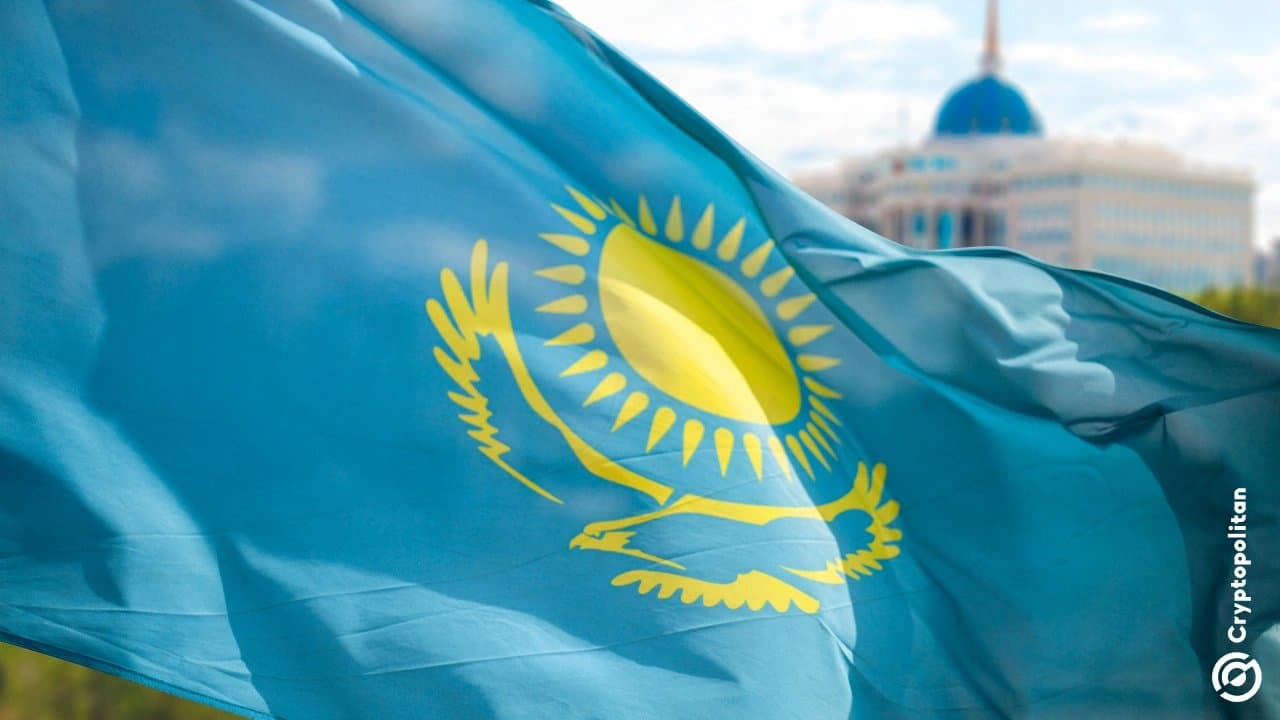
"This initiative could reshape Kazakhstan's crypto mining landscape," a market analyst noted after the government announced fresh regulations for digital miners. Starting August 1, 2026, selected mining firms will gain access to subsidized electricity, but will have to hand over up to 10% of the Bitcoin they generate to the state. This marks a significant intervention by Astana in the country's crypto sector, aiming to build a national Bitcoin reserve.
Under the new framework, dubbed 'strategic digital mining,' miners can buy up to 300 megawatts directly from the Ekibastuz-1 coal-fired plant in Pavlodar at capped rates, bypassing intermediary distributors. In return, miners surrender a share of their mined coins after deducting electricity costs. The state’s move is designed to secure a steady crypto reserve while offering miners cheaper power, a scarce resource for energy-intensive operations in the country.
The government decree also establishes a 10-year quota for power supply from the state-run facility, signaling a long-term commitment. Miners participating in the program must keep the coins mined under this scheme in a distinct wallet to facilitate tracking and transfer to the government. Although the program imposes specific conditions, miners are still free to operate outside its scope. This hybrid model could attract large-scale mining companies willing to benefit from guaranteed energy prices while navigating regulatory obligations.
These regulations come amid broader shifts in crypto regulations worldwide. For example, the U.S. Congress continues debates around crypto and AI oversight, while the EU prepares for stricter crypto bans targeting third countries. Kazakhstan’s approach contrasts with outright crackdowns by offering incentives but also capturing value from mining profits. The new rules shows the country’s ambition to position itself as a key player in crypto mining by balancing state control and market incentives.