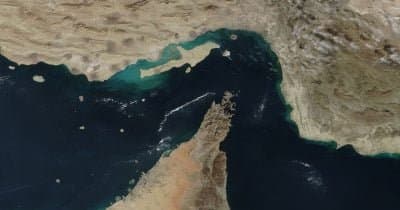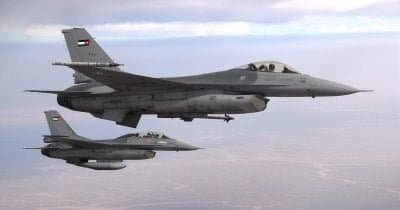
On July 23, Jordan's military intercepted four Iranian missiles and six drones, the latest in a series of airspace defenses this month. This marks the fourth such event in July alone, highlighting a significant uptick in regional tensions.
Jordan's Armed Forces successfully destroyed three ballistic missiles mid-air. The fourth missile landed in a remote area, causing no damage or casualties. Alongside these, six Iranian drones were also shot down by Jordanian defenses. The government emphasized it does not host U.S. military bases that could be targeted by Iran, underlining its stance amidst growing conflict.
Pattern of Escalation
This month has seen a sharp increase in missile and drone interceptions over Jordan’s airspace. Since early July, the kingdom has intercepted over twenty Iranian missiles and drones: eight on July 9, four on July 13, eight on July 16, and now this latest wave on July 23. Despite the volume, no Iranian group has openly claimed responsibility, and Jordan insists it remains unaligned with U.S. military operations on its land.
The ongoing strikes have raised concerns for energy markets, closely linked to the geopolitical instability in the Middle East. Higher oil prices often ripple through sectors dependent on energy, including cryptocurrency mining operations. Bitcoin miners face increased costs from rising fuel prices, potentially squeezing margins and forcing asset sales to stay operational.
Jordan’s strategic location, bordering Israel, Iraq, Saudi Arabia, and Syria, places it at a key intersection in the conflict dynamics of the region.