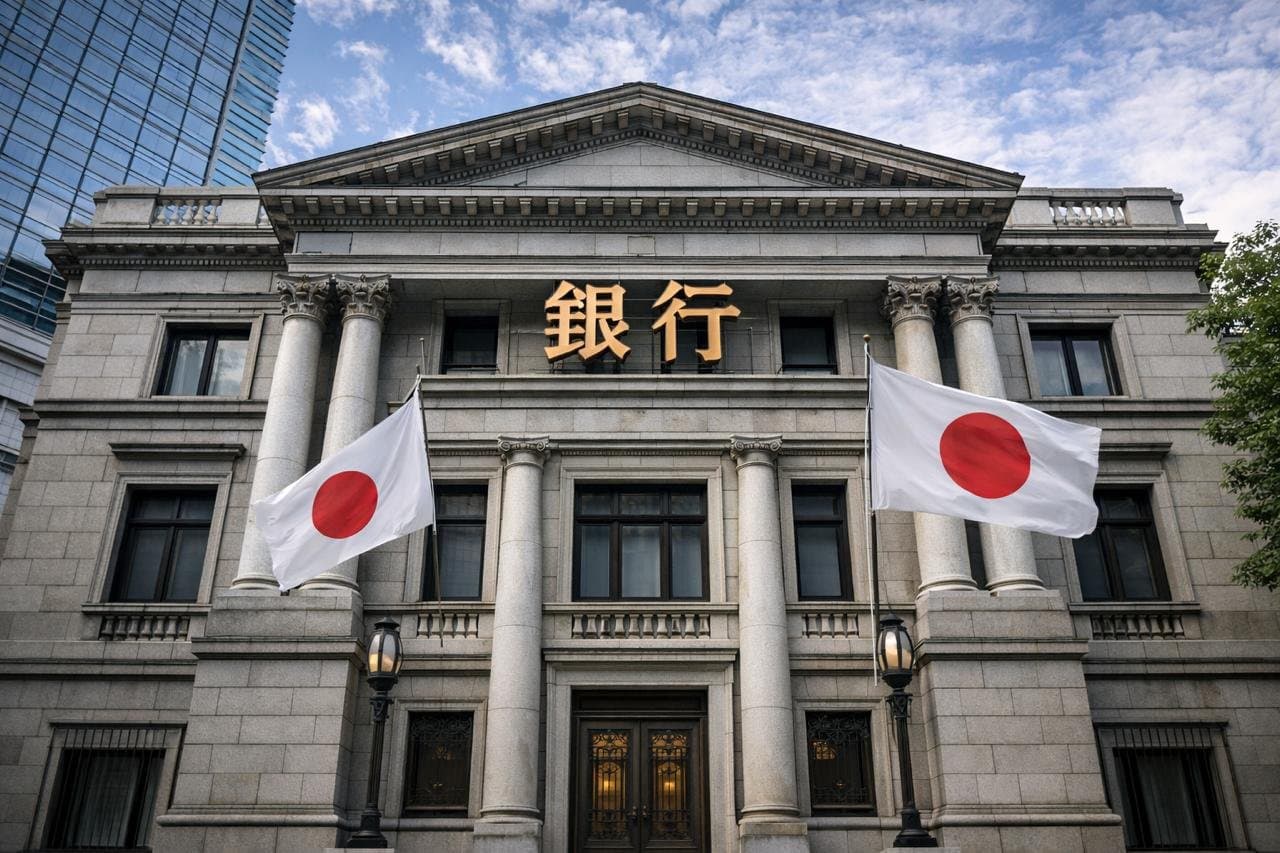
On July 14, the House of Councillors' Committee on Financial Affairs approved a bill that would pull crypto regulation out of Japan's Payment Services Act and place it under the Financial Instruments and Exchange Act. The lower house had already passed it on June 11.
The full upper chamber vote is the last remaining step before the reform becomes law, making this the most sweeping overhaul of Japan's crypto market rules to date.
The shift reflects the government's position that people now hold digital assets primarily to invest, not to pay for things. Bitcoin and other cryptocurrencies will not automatically become securities though. The Financial Services Agency has been explicit: crypto assets will stay a separate product category with rules built around their own technical and market realities.
Registered exchanges would be renamed crypto-asset trading businesses. Cold-wallet management, custody rules and customer-asset protections stay in place, but operators would face tighter controls over token listings, sales practices, outsourcing and market surveillance.
A new reserve requirement would also kick in, obliging exchanges to hold funds that can compensate customers after unauthorized outflows. The exact ratios and operational standards get finalized later through cabinet orders and FSA regulations, so the vote itself does not complete the picture.
On disclosures: issuers running public offerings of specified crypto assets would have to publish information before a sale covers the token's functionality, supply, technology, business structure and finances. Material changes trigger additional notices, and issuers that raised capital through an offering would generally file annual reports.
Bitcoin and assets without a conventional issuer are handled differently. The regulated exchange choosing to list them takes on the assessment and disclosure responsibility instead.
The bill also includes insider-trading prohibitions. Tax treatment would change for qualifying trades, though not for all crypto activity. Spot ETFs are a separate matter entirely and would still need additional regulatory changes beyond this legislation.
The FSA has left room for a token to be recognized as sufficiently decentralized over time, which could eventually relieve an issuer of ongoing reporting obligations.
This article is for informational purposes only and does not constitute financial or investment advice.