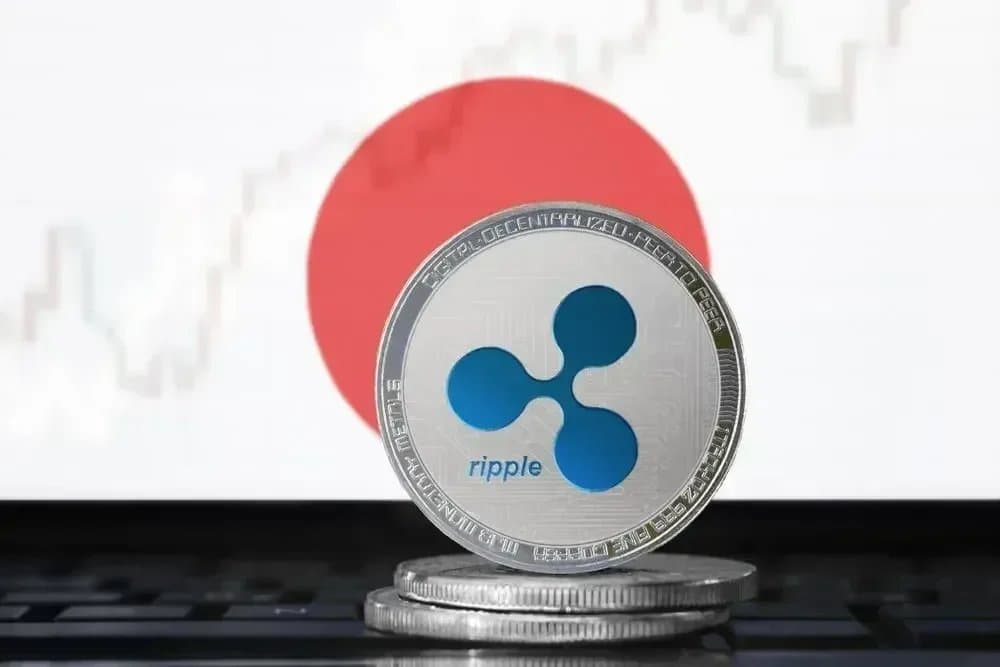
In Tokyo, XRP is gaining traction as Japan deepens its involvement in digital finance. During a notable event, Japan’s Finance Minister made an appearance at an XRP-focused conference, signaling strong interest from official circles. Although not a direct endorsement, this move highlights Japan’s commitment to integrating blockchain into its financial system.
The country recently passed new crypto regulations designed to clarify rules around stablecoins and blockchain services. This legal certainty is attracting more players and solidifying Japan’s reputation as a crypto-friendly hub. XRP stands to benefit from this regulatory push, thanks to Ripple’s long-term partnerships with Japanese banks through SBI Ripple Asia.
Ripple has been working closely with Japan’s financial institutions for years to streamline cross-border payments via the XRP Ledger. This extensive groundwork sets Ripple apart from other blockchain projects still trying to gain institutional trust. As Japan experiments with tokenized assets like digital bonds and real-world assets, XRP’s liquidity features could become key in linking these new instruments to traditional markets.
Industry leaders also see potential. Yoshitaka Kitao, CEO of SBI Holdings and a strong Ripple advocate, believes increased institutional adoption could elevate XRP’s value significantly. Ripple’s CTO David Schwartz famously mentioned "Kyoto, liquidity without borders," capturing the company’s vision of smooth global value exchanges powered by blockchain.
This momentum contrasts with the slower adoption pace in the US and Europe, positioning Asia especially Japan as the starting point for the next wave of financial innovation. With one of the most active XRP markets globally and continued regulatory refinement, Japan might just lead XRP’s rise as the standard for international settlements.
Circle’s move into blockchain patents shows how traditional finance is evolving alongside projects like XRP, reshaping the global financial landscape.