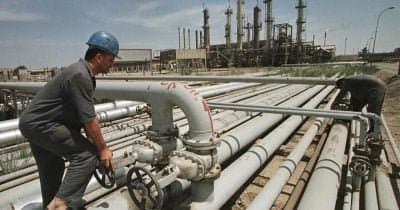
Iraq and Syria have sealed a deal to restart operations on the Kirkuk-Baniyas oil pipeline, a route that’s been dormant since 2003. This agreement, signed on July 17 during a US-Iraq business summit in Washington, aims to restore a critical export path from northern Iraq to Syria’s Mediterranean coast.
The pipeline originally transported about 700,000 barrels per day before it went offline. Now, plans are set to nearly triple that capacity to 2 million barrels per day. Iraq’s Basra Oil Company and Syria’s Syrian Petroleum Company are leading the rehabilitation effort with support from an international consortium led by the US, including Chevron.
Strategic Impact Beyond the Pipeline
Most of Iraq’s oil currently moves through the Strait of Hormuz, a narrow waterway between Iran and Oman, carrying about 20% of global oil daily. That makes Iraq, OPEC’s second-largest producer, vulnerable to disruptions in this volatile region. The revived pipeline offers a key alternative, sending crude directly to the Mediterranean and opening easier access to European markets.
Before striking the pipeline deal, Iraq had been trucking about 50,000 barrels per day to Syria as a temporary workaround around the Strait of Hormuz’s risks. But this arrangement was far from a permanent fix.
Oil market turbulence affects inflation and central bank policies, which influence risk assets including cryptocurrencies. A stable, increased export volume through the Mediterranean could reduce supply shocks and help steady oil prices. This stabilization tends to favor crypto assets like Bitcoin and Ethereum, which benefit from more predictable monetary environments.
Delays or political challenges with the pipeline would leave Iraq exposed to possible supply disruptions through the Strait of Hormuz, potentially causing oil prices to spike and reigniting inflation concerns. Investors in oil and crypto markets will be watching closely as this project unfolds.