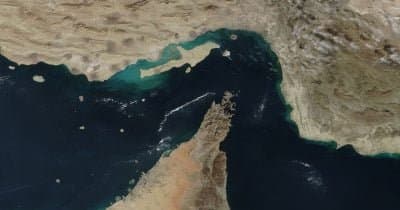
Iran’s armed forces have vowed to block the Strait of Hormuz if any company accepts payments linked to its frozen assets. This strategic waterway channels around 20% of the world’s oil, so even talk of closure stirs global markets and geopolitical tension.
Escalation in US-Iran Tensions
The issue centers on billions of dollars in Iranian funds frozen due to international sanctions. Tehran’s latest warning signals a readiness to escalate pressure amid stalled talks and persistent US sanctions enforcement. Though there is a slim 0.4% market chance the US would start charging fees for transit through the strait by July 31, Iran’s posture keeps risks alive. Just a day ago, odds of a return to normal traffic dropped below 13%, underlining growing unease among traders and governments.
Global Stakes and What’s Next
Any blockade would reverberate beyond Iran and the US, affecting oil prices and energy security worldwide. Dialogues mediated by countries like Qatar have sought to prevent such outcomes, but no breakthrough has emerged. Market watchers now watch closely for signals from both Washington and Tehran. Should Iran’s leaders reaffirm a closure plan, fears of supply disruptions will likely intensify. Conversely, diplomatic moves toward reopening the strait or statements hinting at de-escalation could ease tensions. For now, the status quo remains fragile, and the world’s energy supply balance teeters on these developments.
This material is for informational purposes only and does not constitute financial advice.