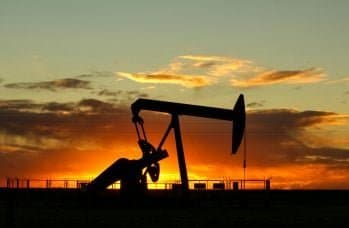
Brent crude crossed $100 per barrel after the outbreak of the Iran war, with supply disruptions at the Strait of Hormuz sending shockwaves far beyond the oil market. Data compiled by analyst Charlie Bilello shows the price spike is part of a broader commodity surge that has hit natural gas, fertilizers, and sulfur all at once.
The Strait of Hormuz is the chokepoint through which roughly 20% of the world's traded oil passes. Any friction there tightens global supply almost instantly, and markets priced that risk in fast. European natural gas jumped sharply from pre-war levels, a direct reflection of how exposed the continent remains to Middle Eastern supply chains despite years of diversification efforts.
Fertilizers and sulfur caught in the crossfire
Less noticed but equally significant: fertilizer and sulfur prices have surged. The Middle East is one of the world's primary export hubs for both, and with logistics routes under stress, buyers in Asia and Europe are scrambling to secure inventory. Higher fertilizer costs tend to feed through to food prices within a few months, which means the conflict's economic pressure could extend well into late 2026 even if the fighting eases soon.
Traders are now watching two sets of variables closely. On the supply side, OPEC Secretary-General Mohammad Sanusi Barkindo and IEA Executive Director Fatih Birol could both weigh in with guidance on emergency reserve releases or production adjustments. On the political side, any movement in U.S. sanctions policy toward Iran, or a credible ceasefire signal, would shift sentiment quickly. Some analysts are already pricing in the possibility of Brent reaching fresh all-time highs before year-end if the conflict drags on through Q3.
For now, the market remains in a state of elevated uncertainty. Refined fuel prices have climbed alongside crude, squeezing transport and logistics costs globally. The last time Brent traded consistently above $100 was during the post-pandemic supply crunch of 2022, when prices briefly touched $139 before retreating. Whether this episode follows the same pattern or breaks higher depends almost entirely on how the situation in Iran develops over the next few weeks.
This article is for informational purposes only and does not constitute financial or investment advice.