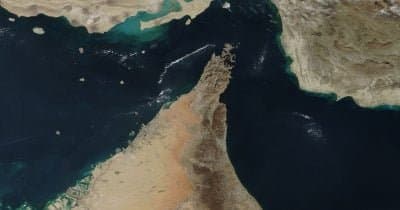
Iran's Oil, Gas and Petrochemical Products Exporters' Union pulled the trigger in April 2026. Vessels passing through the Strait of Hormuz, that 21-mile chokepoint where one-fifth of the world's oil and LNG moves, now pay transit tolls in digital currencies. The rate: roughly $1 per barrel, payable in yuan or stablecoins.
The first documented crypto transaction for strait passage happened that same month. Daily inflows from these toll payments are hitting around $20 million, which scales to something like $7.3 billion annually flowing through blockchain rails just to transit a single maritime corridor.
Why stablecoins won the bid
Blockchain analysts at Chainalysis and similar firms tracked the money. Bitcoin barely shows up in the data matching toll payment profiles. Stablecoins are doing all the work. Tehran's reasoning is hardwired into its isolation. SWIFT access is locked out. Dollar transactions through correspondent banks are dead. Stablecoins move fast, stay pseudonymous, and Western regulators struggle to intercept them in real time. For a country starved of normal financial rails, this is escape velocity.
The geopolitical angle remains murky. No public confirmation exists of active US-Iran-Oman talks aimed at easing the corridor. What's visible is the toll regime creating fresh use. Shipping companies face a trilemma: pay Iran's crypto fees and risk Western sanctions, reroute (geographically impossible for Gulf exports), or sit tight while diplomats negotiate.
The Strait of Hormuz just became the world's strangest laboratory for currency innovation. A choke point on global energy flows is now a proving ground for how digital money moves when traditional finance shuts the door.
Bitcoin and major indices barely twitched on the news.
This article is informational and does not constitute financial or investment advice. Crypto markets remain volatile and regulatory environments are uncertain.