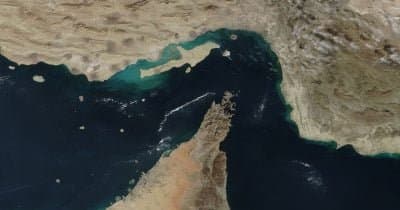
In a move that has jolted global energy markets, Iran has blocked the Strait of Hormuz, the waterway funneling about a fifth of the world's oil shipments. This escalation arrives after weeks of strikes that failed to break stalemates, marking a sharp turn in the U.S.-Iran conflict.
Strategic Chokepoint Turns into Flashpoint
The Strait of Hormuz is no ordinary passage. Nearly 20 million barrels of crude daily pass through this narrow channel between the Persian Gulf and the Gulf of Oman. Iran’s blockade disrupts not only global supply chains but also rattles markets already on edge. Analysts now doubt whether maritime traffic will return to normal by the July 31 deadline that observers had hoped for. The disruption could push oil prices higher, shaking energy-dependent economies worldwide.
Military Standoff Escalates Amid Failed Strikes
Iran's decision comes after a series of military strikes that missed their intended targets, fueling a spiral of retaliation and countermeasures. Both Iran and the United States have taken direct military actions, signaling that diplomatic solutions are growing increasingly remote. Market signals reflect this grim outlook, with traders pricing in a reduced chance of the blockade lifting anytime soon. Eyes remain fixed on statements from U.S. President Donald Trump and Iranian leaders for clues on possible de-escalation or further conflict.
The unfolding crisis adds weight to geopolitical tensions already influencing other sectors, including financial markets. Recently, firms like BlackRock have seen clients offloading significant Bitcoin holdings amid shifting dynamics in global markets, illustrating the uncertainty investors face during periods of geopolitical instability.
This material is for informational purposes only and does not constitute financial advice.