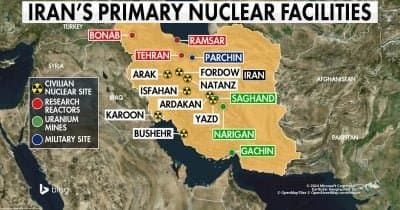
Iran has swiftly ramped up reconstruction of key nuclear and missile sites hit by US and Israeli airstrikes in 2025, according to recent satellite images. This rapid repair effort is taking analysts by surprise and intensifying geopolitical tensions that could ripple across global markets.
Satellite Data Reveals Unexpected Speed of Rebuilds
Images from late June and early July 2026 analyzed by CNN and the Institute for Science and International Security (ISIS) show extensive reconstruction at multiple locations. At Taleghan 2 within the Parchin military complex and near Pickaxe Mountain, heavy concrete work and blast crater repairs are underway. More striking is the pace of restoration at missile facilities near Kangavar, Kermanshah, and Dezful, where some repairs wrapped up just weeks after the original strikes.
Western intelligence agencies had underestimated how quickly Iran could recover. While nuclear enrichment sites have seen slower progress, underground tunnel complexes designed to withstand air attacks are being rebuilt aggressively, signaling Iran’s intent to harden its strategic infrastructure.
Implications for Financial and Crypto Markets
Iranian leaders, including President Masoud Pezeshkian, have openly vowed to strengthen nuclear capabilities despite sanctions and military pressure. This defiance carries consequences beyond diplomacy. Historically, sanctions on Iran have driven the country toward alternative financial channels, notably cryptocurrency. Renewed military escalation tends to increase regulatory scrutiny on crypto exchanges facilitating Iranian transactions, leading to stricter compliance and Know Your Customer (KYC) requirements.
This development mirrors patterns seen before, suggesting crypto traders and platforms should brace for tighter controls. Heightened sanctions enforcement could mean more aggressive designations by US agencies like OFAC, impacting exchanges that serve international users.
This article is for informational purposes and does not constitute financial advice.