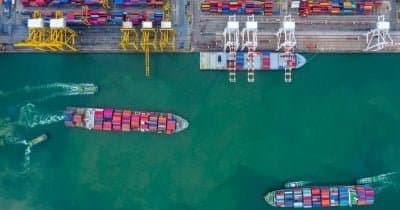
A tanker captain navigating the Strait of Hormuz in March 2026 faced an unexpected bill. Iran had installed a new toll system on one of the world's most critical shipping lanes, where roughly one-fifth of all global oil passes through. For most operators, the cost stung. For Russian and Chinese vessels, it didn't exist.
Iran gave Russia complete exemptions and offered China preferential rates. But there's a twist that matters to crypto markets: the regime started accepting Bitcoin and USDT for payment, routed through intermediaries connected to the Islamic Revolutionary Guard Corps.
How the toll system actually works
The Strait of Hormuz toll runs from $1 per barrel on the low end to as much as $2 million per vessel on the high end. It's a crude weapon. China imports 45 to 50% of its crude through these waters, so preferential pricing locks in a key ally while squeezing everyone else. Russia got the full pass starting mid-March, with official confirmation in April from Iran's ambassador to Moscow.
The Byzantine part: payments can arrive in yuan, Bitcoin, or stablecoins like USDT. These transactions flow through IRGC-linked intermediaries, meaning sanctioned Iranian entities are now directly handling blockchain transactions tied to international trade. Diplomatic channels remain frozen, which makes this payment mechanism even more significant as a workaround.
Why crypto investors should care
When Bitcoin enters IRGC-linked wallets, Western intelligence agencies watch it move. Chain analysis firms flag addresses. Exchanges get pressure to blacklist them. The same Bitcoin sitting in your institutional ETF portfolio is now entangled with sanctioned trade facilitation.
For energy traders, the impact is immediate and measurable. A single dollar per barrel across millions of barrels daily reshapes tanker economics. Non-allied shipping pays. Russia and China don't. It's a direct subsidy to geopolitical allies wrapped in toll language.
This article is for informational purposes only and should not be treated as financial or investment advice.