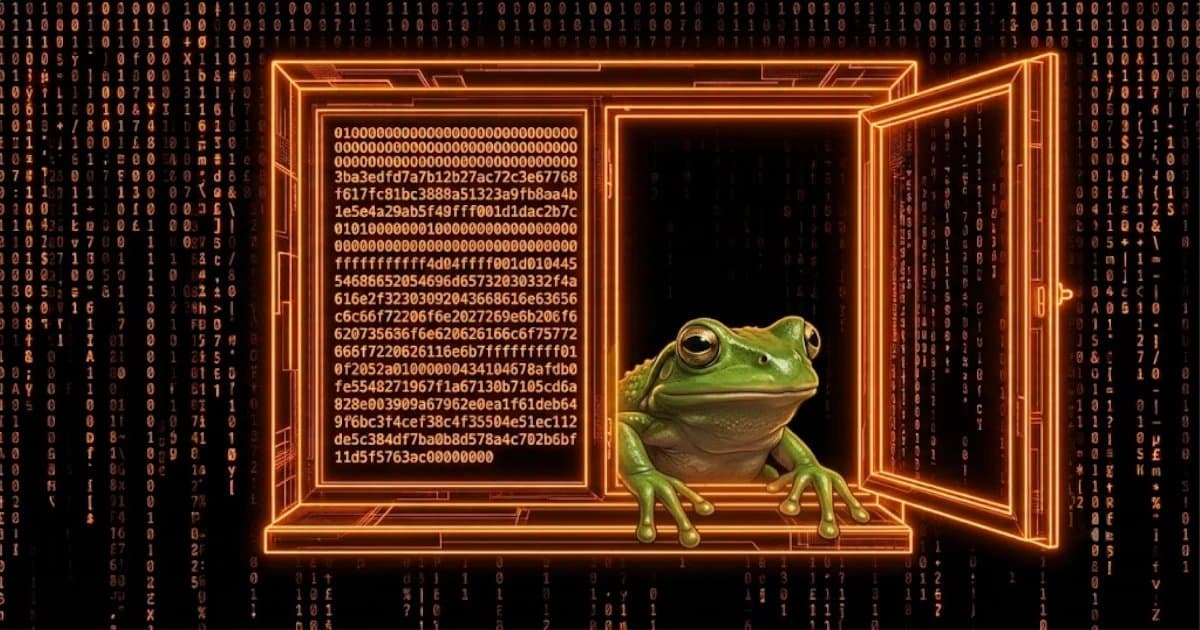
4 terabytes of data. That’s how much storage I dedicated to syncing the full Bitcoin blockchain, a process that took three days straight. But it wasn’t just about verifying transactions or watching numbers tick. I wanted to see if the blockchain, often called a digital ledger, also hides something unexpected images embedded deep within its data.
Mining Images from Raw Blockchain Data
The Bitcoin blockchain is often described as cluttered with arbitrary data, a digital space where users sometimes embed messages or files beyond simple transactions. This has sparked debates some see it as a creative frontier, others as needless pollution that bloats the network. To settle this, I used PhotoRec, a recovery tool designed to find lost image files from corrupted drives. Running it against the entire downloaded blockchain was a test to see if images really exist hidden in the raw data.
PhotoRec doesn’t discriminate based on file type or purpose; it simply scans for recognizable image file signatures. What it uncovered were fragments and, in rare cases, fully intact images embedded within transaction data. These aren’t mainstream NFTs or typical art pieces but small, often cryptic visuals. It confirms that Bitcoin isn’t just numbers and hashes but also a canvas for bits of digital culture, tucked away in UTXO sets and transaction scripts.
Implications for Bitcoin Users and Node Operators
Syncing the full node on a standard gaming PC highlighted another reality: disk speed is a key bottleneck. The 72-hour process was slowed mainly by reading and writing the Unspent Transaction Output set, which stores the current state of transactions. The presence of arbitrary image data can add to the blockchain’s size, making storage and syncing more demanding for users seeking full financial sovereignty.
This creates tension between Bitcoin’s use as a pure monetary network and its unexpected use as a data storage medium. While the images and embedded files might seem harmless or even fascinating, they raise questions about network efficiency and the cost of running a full node. As Bitcoin continues to grow, these hidden images become part of the ongoing debate about what data belongs on the blockchain and how it impacts decentralization.
This article is for informational purposes and does not constitute financial advice.


