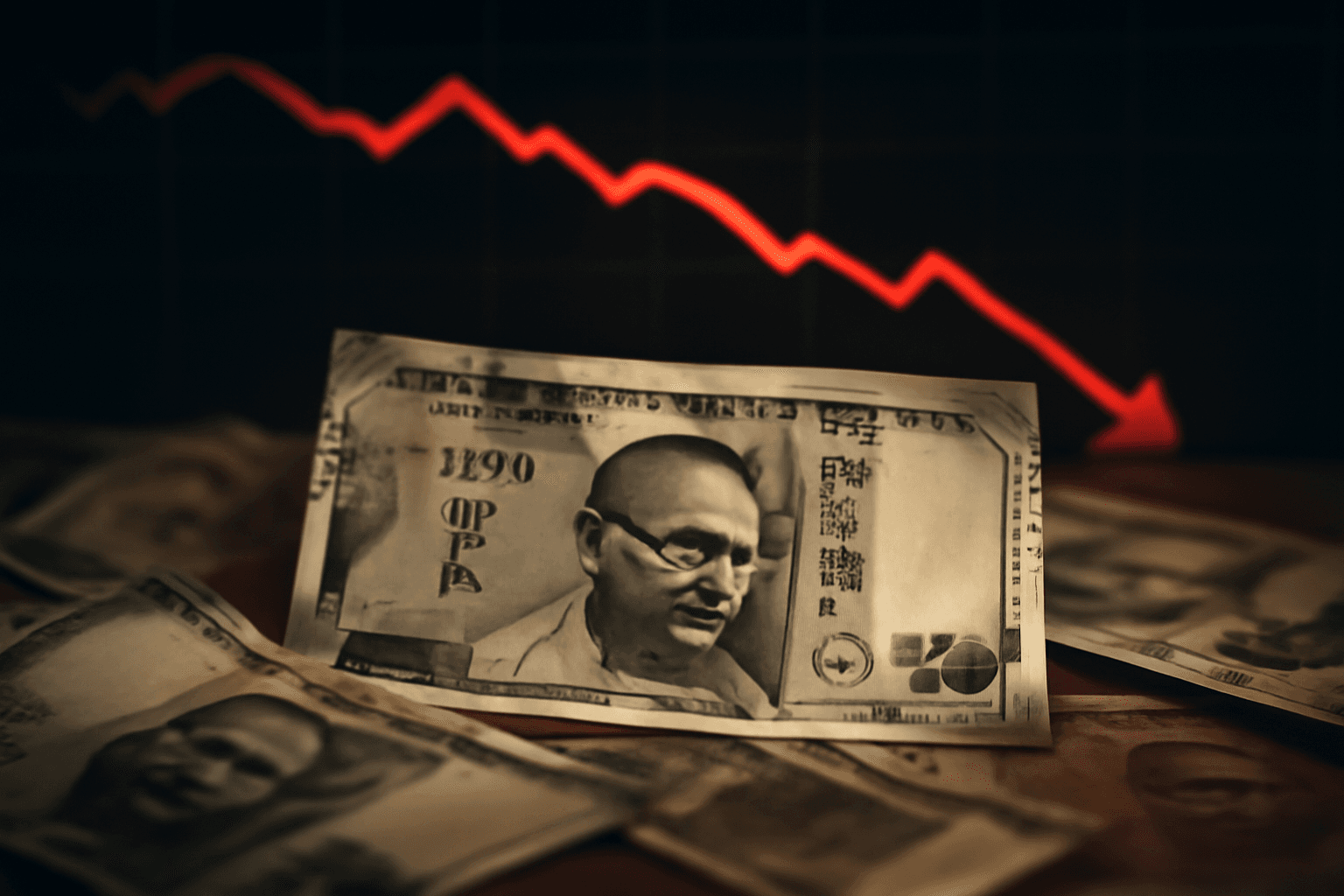
The Indian rupee is locked in a steady decline, flirting with record lows near 97 against the US dollar. Despite a brief bounce back last Friday, the currency faces continuous stress from several angles, signaling a deeper struggle than just temporary volatility.
Fuel Costs Pushing Rupee Down
One of the most immediate triggers dragging the rupee down is the surge in crude oil prices. India imports a substantial portion of its oil, and as global prices rise, the cost pressures mount. This inflationary force drains foreign exchange reserves and increases the trade deficit, intensifying depreciation.
Capital Flight and Geopolitical Strains
Foreign investors have been pulling capital out of Indian markets in growing numbers, a trend exacerbated by geopolitical uncertainties in the region. This withdrawal diminishes demand for the rupee, pushing it lower against the dollar. The tension is not isolated; it reflects the broader global sentiment that also impacts markets like cryptocurrencies and equities.
Investors wary of emerging market risks have turned cautious, mirroring movements seen in technologies and cryptocurrencies, where, for example, Bitcoin faces strong support tests amid tech sector sell-offs. This interconnectedness underlines how capital shifts quickly across asset classes when confidence falters.
What Comes Next for the Rupee?
With no immediate relief in sight for crude prices and global tensions unlikely to ease soon, the rupee’s vulnerability remains high. Policymakers face the challenge of balancing inflation control with growth support, a difficult feat as the currency's slide directly affects the cost of living for millions. The daily lows set new records, but each tick lower carries significant consequences beyond numbers from imported inflation to pressure on corporate earnings.