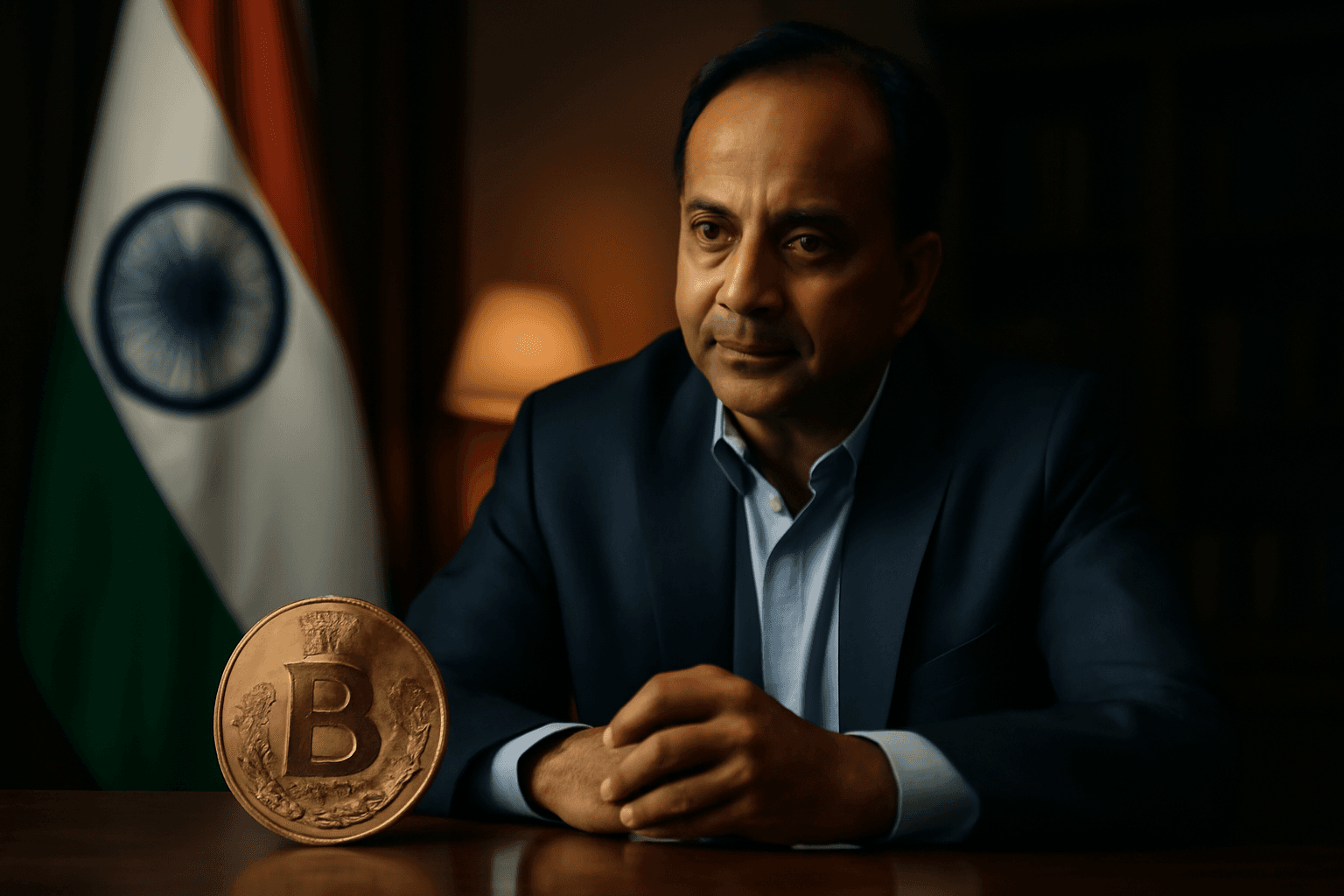
India's path to crypto regulation takes a notable turn as the Parliamentary Standing Committee on Finance suggests an interim regulatory framework based on Self-Regulatory Organisations (SROs). This move comes ahead of a full crypto law expected in the near future.
Interim Steps Before Full Legislation
The committee's 36th Report on the proposed Securities Markets Code, 2025, presented to Parliament on July 23, advocates for a phased approach. Instead of rushing to impose direct government regulations on cryptocurrencies, it proposes empowering industry players via SROs to handle oversight responsibilities temporarily. This acknowledges the sector's complexity and fast-paced evolution, allowing regulators to gather insights while maintaining some safeguards.
What Self-Regulatory Organisations Mean for Crypto
SROs are bodies formed by industry participants to monitor compliance, set standards, and promote best practices within their field. The Finance Committee's endorsement signals a degree of trust in the crypto ecosystem's capacity to self-govern under government supervision. It also suggests a hands-off stance initially, giving the market some breathing room to mature while the government finalizes its full legal framework.
This approach contrasts with earlier strategies where regulators leaned toward outright bans or heavy restrictions. Now, there's recognition that a collaborative model might better serve India's diverse and growing crypto user base.
Looking Ahead: Balancing Innovation and Security
The government's eventual crypto law will likely build on this foundation, incorporating lessons learned from SRO activities. Meanwhile, exchanges and other participants could see clearer guidelines and potentially reduced uncertainty, encouraging more solid market activity.
India's move parallels global trends where regulators seek to balance innovation with investor protection. It echoes some developments in other financial sectors, such as the evolving regulatory landscape impacting digital assets in various jurisdictions.
This material is for informational purposes and does not constitute financial advice.