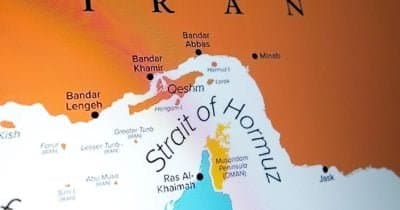
The White House's confirmation that the blockade in the Strait of Hormuz is still in full effect shows escalating tensions in a region critical to global oil supply. This blockade, part of the U.S. strategy against Iran in the context of the 2026 Iran War, initiated by President Donald Trump and enforced by CENTCOM under Admiral Brad Cooper, has led to a near-total disruption of shipping traffic. The situation is further complicated by Iran's Revolutionary Guard Corps, which is effectively countering U.S. efforts by completely closing the strait.
Current Status and Market Reactions
Market participants are increasingly skeptical about the normalization of traffic in the Strait of Hormuz, with the likelihood of resuming operations by July 31 appearing remote. The White House's recent statements have led to a notable decrease in the odds for a successful outcome by that date, as traders reassess the situation. The blockade's persistence indicates that any potential easing of restrictions is not on the immediate horizon, leading to a significant decline in YES pricing for a July resolution.
What Lies Ahead?
As the geopolitical landscape evolves, market observers are keenly watching for any diplomatic breakthroughs or military maneuvers that could influence the blockade's status. The potential for a ceasefire agreement or directives from President Trump could dramatically alter current dynamics. Any shifts in Iranian or U.S. naval operations would serve as critical indicators of future developments. Such changes could significantly affect the markets, particularly those connected to oil and shipping, and influence related prediction markets. For further context on how such geopolitical developments impact markets, see What the U.S.-Iran Talks Mean for Markets and Geopolitics.
This material is for informational purposes only and should not be considered financial advice.