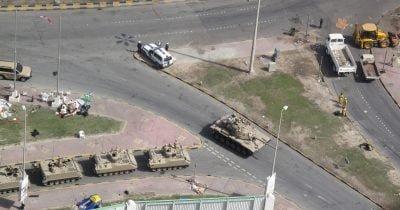
The recent interception by Bahrain’s Defense Ministry of Iranian missile and drone attacks marks a significant development in the escalating conflict of 2026. This event not only highlights Bahrain's strategic role, given its hosting of the U.S. Fifth Fleet, but also serves as a reflection of the increasing military aggressiveness in the region. With Iran resuming its retaliatory campaigns, focusing on threats to civilian targets, the interception suggests both urgency and caution on the part of Bahrain and its allies.
Why This Development Matters
The successful defense against these attacks is critical for regional stability and safety of commercial and military air travel. Key takeaways from the incident include:
- The likelihood of a full airspace closure over Iran is now perceived as heightened, driven by a series of military escalations.
- The recent interception elevates the perceived military threat, influencing potential airspace restrictions that may affect international flights.
- The market is increasingly reacting to fears of closure scenarios, with notable adjustments observed in pricing strategies related to air traffic.
These factors could lead to drastic changes in air travel logistics and the operational environment surrounding the strategic waterways.
Looking Ahead
In light of these developments, observers should keep an eye on announcements from the Civil Aviation Organization of Iran (CAOI) and Iranian State Television (IRIB). Any updates regarding airspace restrictions or further U.S. and Israeli military actions may significantly alter the risk landscape, possibly resulting in tighter air travel regulations and increased military readiness throughout the Gulf region. Furthermore, markets are likely to react swiftly to any confirmation of ongoing threats or alterations in commercial flight paths.
This material is for informational purposes only and is not financial advice.