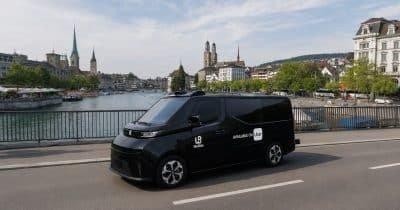
The recent announcement by WeRide and Uber regarding the launch of their commercial robotaxi service in Zurich signifies a pivotal moment in the evolution of autonomous mobility. With plans to operate fully driverless vehicles by mid-2027, this initiative is set against a backdrop of collaboration between established ride-hailing giants and innovative tech startups.
The Strategic Implications for WeRide and Uber
By planning to launch in the Greater Zurich Region pending regulatory approval from Switzerland’s Federal Roads Office (FEDRO), WeRide, based in Guangzhou, has marked its territory in Europe, following previous deployments in cities like Dubai. The importance of Zurich can’t be understated; it becomes the fifth city activated under a broader partnership that includes 15 cities globally. This not only validates WeRide's claim as a leader in Level 4 autonomous technology, but also demonstrates its ability to navigate complex international contracts and varying regulatory landscapes.
Understanding the Context of Autonomous Ride-Hailing
Uber’s collaboration with WeRide pivots around enhancing operational efficiency in its ride-hailing services. Having previously shelved its in-house autonomous vehicle project, the company is now leveraging partnerships to integrate self-driving technology without incurring the extensive costs associated with developing it independently. This paradigm shift emphasizes Uber's strategic aim to position itself as a platform for autonomous mobility-where it can capitalize on the increasing demand for autonomous vehicles while ensuring an accessible interface for consumers.
Investment Considerations and Market Dynamics
The implications for investors observing market dynamics and technological advances in the autonomous vehicle sector are vast. WeRide's entry into Zurich provides a strong signal to its investors regarding the company's potential for growth and the viability of international expansion. The activation of five out of 15 planned cities creates a robust pipeline of opportunities, suggesting that further milestones could drive WRD stock prices upwards.
For Uber, embracing robotaxis addresses a critical issue: the substantial share of fare revenue currently allocated to human drivers. By replacing humans with autonomous vehicles, Uber can dramatically enhance its unit economics once the substantial initial investment in technology is made. However, the timeline remains sensitive to regulatory approval, with delays in securing FEDRO’s endorsement potentially pushing back the projected fully driverless launch.
Conclusion: A Barometer for the Future of Autonomous Mobility
The outcomes of the upcoming regulatory discussions in Switzerland will serve as a real-world barometer for the future of autonomous mobility across Europe. If successful, this collaboration may not only transform the profitability paradigm for ride-hailing but could also influence regulatory approaches to autonomous technology in various jurisdictions. Ultimately, these developments highlight the intricate relationship between technology, regulation, and the evolving landscape of mobility.