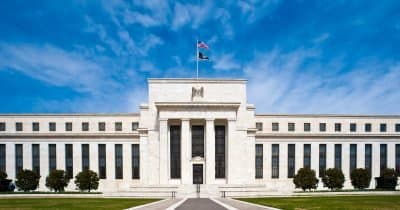
Federal Reserve Chair Kevin Warsh's recent announcement to reevaluate inflation frameworks signals a notable shift in the Fed's approach amid persistently high inflation rates of 4.2%. His statement highlights the urgency to understand the underlying causes of inflation better, as the institution officially launches a task force dedicated to examining these economic principles. Warsh's interest in exploring "trimmed mean" inflation metrics potentially reveals an inclination to focus on core inflation that excludes temporary price shocks, a move that could reshape how inflation is measured and subsequently addressed.
The implications of this review are significant for both the market and investors. Market pricing indicates that improvements in understanding inflation might slightly increase the chances of a Fed rate cut in upcoming meetings. Currently, the federal funds rate is set between 3.50% and 3.75%, and any real shift in understanding could directly lead to adjustments in rate policies. The Fed's commitment to maintaining a 2% inflation target until substantial progress is made adds a layer of complexity, as observers will closely watch inflation indicators such as U.S. CPI and PCE figures in the coming weeks.
With the September FOMC Dot Plot and upcoming economic indicators on the horizon, all eyes will be on how the Fed communicates its findings and readiness to adjust rates based on new insights. As discussions around inflation continue to evolve, the market's expectations could shift dramatically depending on Warsh's future statements and any data that aligns with the Fed's goals. Investors should remain vigilant, recognizing that a deeper understanding of inflation could lead to notable changes in the economic landscape.
This article is for informational purposes only and should not be considered financial advice.