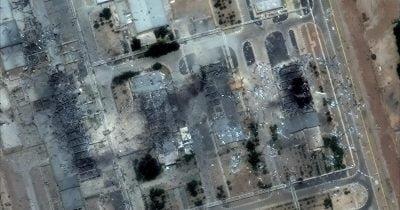
The recent US military strikes on around 140 Iranian military locations have undeniably sent shockwaves through global markets, including the cryptocurrency sphere. With Bitcoin retreating to the $62,000 to $63,000 range, the nuances of this geopolitical event raise critical questions about the interplay between military actions and cryptocurrency valuations.
Understanding CENTCOM's Actions
The scale of the operation, as reported by US Central Command, marks a significant escalation in the ongoing US-Iran conflict. The targets ranged from air defense systems to naval assets, demonstrating a clear intention to degrade Iran’s military capabilities in the region, particularly regarding maritime threats in the Strait of Hormuz. By conducting coordinated strikes over multiple waves, US forces aimed not only to respond to Iranian provocations but to alter the strategic landscape in a manner that diminishes Iran's capacity to engage in hostile actions against international shipping.
Despite the clarity of US intentions, the Iranian response was swift, launching counterstrikes against US facilities in Kuwait and Bahrain, indicating that the cycle of military escalation may not be over. This back-and-forth between the two nations illustrates the volatility of the situation, which has been marked by cycles of aggression and temporary ceasefires since their conflict reignited in February 2026.
The Ripple Effect on Cryptocurrency
The immediate impact of these strikes on cryptocurrency markets exemplifies a broader trend: during periods of marked geopolitical tension, Bitcoin and other cryptocurrencies do not necessarily function as safe havens. Rather, Bitcoin's recent decline demonstrates a sensitivity to risk sentiment that contradicts its often-promoted image as 'digital gold.' This raises important considerations for investors who may be relying on cryptocurrency as a shield against traditional market volatility.
Moreover, prediction markets like Polymarket have begun to gauge the public's sentiments regarding geopolitical outcomes, although they haven’t directly correlated to the specific strikes this July. The lack of a robust positive correlation between Bitcoin's value and geopolitical stability calls into question how cryptocurrencies will be perceived and valued in times of military conflict.
Future Implications for the Market
The ongoing situation invites investors to reconsider their strategies and outlooks on cryptocurrencies, particularly as the US-Iran tensions unfold. The potential for further retaliatory actions could exacerbate existing market uncertainties, leading to greater volatility not only in Bitcoin but across various altcoins as well. Investors may need to remain vigilant regarding geopolitical developments, as these events can significantly impact trading behavior and market performance.
As the crypto landscape continues to evolve amid global tensions, the relationship between military action and market sentiment will likely remain a critical area for analysis and understanding.
This material is informational and should not be considered financial advice.