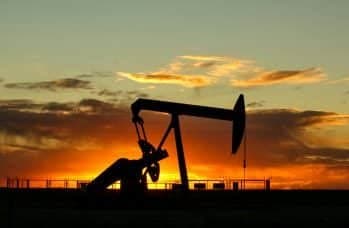
As of mid-July 2026, oil prices have surged to their highest levels in a month, driven by escalating tensions between the United States and Iran in the strategically vital Strait of Hormuz. This region is not just a geopolitical flashpoint; it is a crucial conduit for global oil transport, with approximately 20% of the world’s seaborne crude flowing through it. The renewed hostilities, which began on July 7, have significantly disrupted vessel movements, thus exacerbating volatility within oil markets.
Recent trading data indicates that benchmark Brent crude is hovering around $76.80 per barrel, reflecting intensified concerns regarding supply disruptions. This price spike marks a notable shift from earlier market predictions that had anticipated a period of stability following a transient ceasefire. The oil market, historically sensitive to geopolitical developments, is now positioned precariously as investors grapple with the implications of potential long-term conflicts.
Market Implications of Ongoing Geopolitical Risks
The current trajectory suggests an increased likelihood of oil prices reaching new all-time highs. Market analysts are adjusting their expectations as the tensions could lead to sustained disruptions in the Strait of Hormuz. The spike in oil prices can primarily be attributed to:
- Prolonged disruptions in shipping routes, raising concerns about supply shortages.
- Heightened geopolitical risk, which is often a precursor to price volatility.
- The potential for OPEC to intervene, which could either stabilize or further inflate prices depending on their strategic decisions.
This environment compels investors to keep a close watch on developments in the US-Iran conflict. Any announcements regarding military actions or diplomatic efforts could dramatically alter market dynamics.
What Lies Ahead for Oil Prices?
As the situation evolves, markets will remain vigilant. Analysts are closely monitoring shipping activities in the Strait of Hormuz, as any further disruptions could lead to a sharp increase in oil prices, potentially setting new records. The volatility in this sector highlights the interconnectedness of geopolitical events and market behavior. Investors must remain agile, as the space can change rapidly with each new development.
This article is for informational purposes only and should not be considered financial advice.