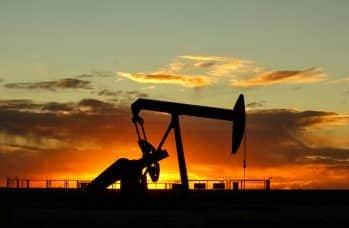
The recent decline in Gulf stock markets can be attributed to escalating tensions between the United States and Iran, exacerbated by military actions undertaken by both nations. As geopolitical risks rise, particularly concerning potential disruptions in oil supply through the critically important Strait of Hormuz, investors are understandably on edge. The uptick in oil prices earlier this month is a reflection of these concerns, suggesting that inflationary pressures could be forthcoming and market volatility may increase.
While Gulf markets face these immediate challenges, it's noteworthy that global equity markets have demonstrated a surprising degree of resilience. This is largely driven by robust performances in the technology sector, particularly in AI and semiconductors. The interconnectedness of these markets and the oil sector means that ongoing geopolitical tensions could have ripple effects, impacting not only the price of oil but also broader market sentiments.
Analysts are observing several key indicators that might shape the near future. The probability of significant spikes in oil prices appears to be increasing, which could have serious implications for inflation and, by extension, consumer behaviors. Furthermore, the military escalation might inadvertently strengthen internal support for the Iranian regime, reducing the likelihood of regime change before September. This scenario could lead to a consolidation of power within Iran, resulting in a more unpredictable market environment.
Investors are primarily focused on potential new sanctions or military actions from the US that could further influence oil pricing. Any substantial shifts in US-Iran diplomatic relations or leadership changes in Iran could significantly impact market conditions and supply routes. The ongoing strength of global equity markets amidst these tensions is contingent on sustained earnings from the technology sector, which may continue to act as a buffer.
The situation remains fluid, and market participants would benefit from keeping a close watch on developments between the US and Iran, particularly those affecting oil markets. The outcomes of this geopolitical struggle will likely play a crucial role in shaping not only energy prices but also the wider investment landscape.
This material is informational and not financial advice.