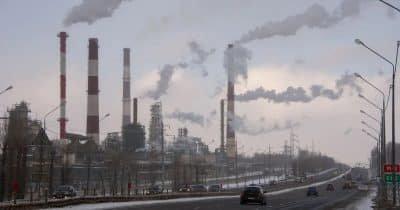
The recent escalation in Ukraine's drone operations targeting Russian oil refineries marks a pivotal moment in the ongoing conflict that is reverberating through global energy markets. On July 7-8, Ukraine successfully hit three refineries and several tankers, further underscoring the strategic use of drone technology in modern warfare.
Understanding the Importance of These Developments
This coordinated attack is not merely an immediate tactical win for Ukraine; it embodies a systematic campaign aimed at crippling Russian energy supplies and curtailing its war economy. With nearly 200 refinery strikes registered in just the first half of 2026, the frequency and intensity of these operations signal a well-organized strategy rather than sporadic skirmishes.
- Near 200 strikes on Russian refineries in 2026
- Reported civilian casualties and significant industrial damage in Russia
- Expansion of attacks to ports like Ust-Luga and Vysotsk
These operational advancements indicate that Ukraine is expanding its reach and capability in targeting not just fixed facilities but also mobile assets like tankers, particularly in the contested areas of the Sea of Azov.
Implications for Oil and Commodity Prices
The broader consequences for global commodities markets are significant. While crude oil prices might not see immediate spikes as a result of these strikes, the situation creates serious concerns regarding processed products such as diesel and jet fuel. The disturbances in refining capacity tend to result in widening crack spreads the difference between crude oil prices and the prices of refined products complicating the supply chain.
Analysts and traders focused on Eastern European energy flows will need to monitor whether these strategic strikes begin to impact tangible output volumes, leading to potential price volatility in related commodities.
Looking Ahead: Potential Market Shifts
This latest wave of strikes could catalyze a reevaluation of trading strategies, as historically, surges in military conflict correlate with disruptions in global supply chains. Additionally, countries under sanctions, including Russia, are increasingly exploring alternative payment methods such as cryptocurrencies to circumvent traditional financial restrictions. While there is currently no direct link between crypto volatility and these strikes, the evolution of payment systems within international sanctions contexts may influence crypto adoption rates and investor attitudes.
Disclaimer: This material is intended for informational purposes only and does not constitute financial advice.