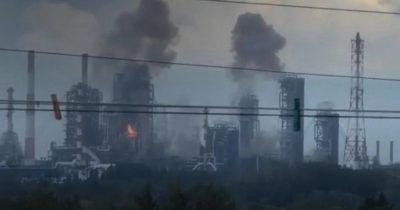
In a significant escalation of its drone campaign, Ukraine recently targeted two major Russian oil refineries and over a dozen fuel tankers in the Sea of Azov on July 7-8. This operation focused on crippling the economic backbone that sustains Moscow's military efforts.
The Ukrainian strikes hit crucial facilities, including the Saratov refinery operated by Rosneft and the TANECO and TAIF-NK complexes located in Tatarstan. Reports indicate that this assault, following a previous strike on Russia's largest refinery in Omsk, has reduced Russia's overall refining capacity by approximately one-third.
Effectively, these attacks are part of a broader Ukrainian strategy that aims to disrupt Russia's energy resources. With an estimated nine to twelve tankers damaged and claims indicating up to 36 vessels targeted, this could potentially exacerbate the existing fuel shortages Russia has faced since 2025, leading to widespread supply disruptions in major cities.
The Broader Market Implications
As Russia grapples with tightening fuel supplies, the effects are expected to ripple through global energy markets, impacting everything from oil prices to potential fuel export restrictions. The already precarious balance of supply and demand in the energy sector is likely to be further strained, raising concerns over emergency measures that Moscow may need to implement.
For sectors reliant on high energy consumption, such as cryptocurrency mining, the implications are immediate and dire. The disruption to Russia's energy supplies could lead to heightened energy costs across Europe and Central Asia, directly affecting Bitcoin's mining economics. A prolonged energy crisis could compress profit margins for proof-of-work miners and complicate the network’s overall security dynamics.
As this scenario unfolds, stakeholders within the crypto space will need to monitor energy prices closely. The vulnerability of mining operations to fluctuations in energy costs could lead to shifts in hashrate distribution, impacting Bitcoin's market stability. Understanding these dynamics will be crucial for investors navigating the risk associated with energy dependency.
This material is for informational purposes only and does not constitute financial advice.