Recent military confrontations between the United States and Iran have sent oil prices soaring, with Brent crude and WTI rising nearly 12% in just one week. Brent futures now stand at approximately $84.38 per barrel, while U.S. West Texas Intermediate is trading around $78.71. This steep ascent in oil prices can be attributed to escalating hostilities and a tightening market due to declining U.S. crude stockpiles, which fell by 1.7 million barrels in the week ending July 10.
Geopolitical Tensions Drive Price Increases
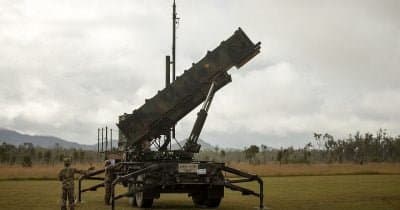
The U.S. has engaged in six consecutive nights of airstrikes aimed at crippling Iranian military capabilities. In retaliation, Iran has intensified its military operations, launching attacks on U.S. facilities in the region, including a notable strike in Syria. This reciprocal aggression has created a precarious situation that has further strained global oil supply, particularly through critical shipping routes.
As Iran warns its Houthi allies to prepare for potential blockades of the Red Sea oil passage, the stakes are rising for global oil markets. The Strait of Hormuz, a crucial artery for oil transport where nearly 20% of the world's oil flows, has also seen a significant decrease in vessel traffic, dropping from 110 ships a day to just three in recent days. This blockade has intensified the geopolitical risk premium on oil prices, unsettling traders and investors alike.
Market Outlook and Implications for Investors
The International Energy Agency’s Executive Director has expressed concern over oil security, indicating that the situation could worsen if hostilities continue. The collapse of a fragile ceasefire established in June complicates negotiations, leaving investors wary of further disruptions. Tim Waterer, a chief market analyst at KCM Trade, pointed out that the possibility of the Red Sea becoming another hotspot for supply chain disruptions adds a layer of uncertainty to the global oil outlook.
Amid these developments, market observers should brace for volatility as the potential for further military action looms. Investors in the oil sector must assess the implications of these geopolitical tensions on both pricing and supply dynamics. With oil's increasing susceptibility to external shocks, maintaining a close watch on developments in the region could be critical for making informed investment decisions.
This article is for informational purposes only and is not financial advice.