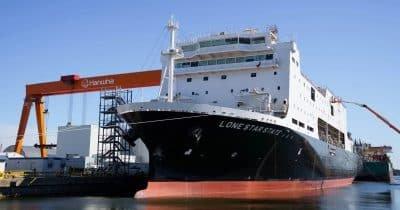
The U.S. is poised to undertake significant revitalization of its commercial fleet amid growing concerns over national security, particularly as it relates to Chinese maritime operations. Senator Todd Young has notably raised alarms regarding the potential risks that Chinese vessels docking at American ports might pose, especially if these ships are equipped with military capabilities. Such developments reflect a larger pattern of rising geopolitical tensions between the United States and China, particularly regarding control over key shipping routes and strategic infrastructure.
Importance of the Maritime Action Plan
The proposed Maritime Action Plan not only aims to increase the size and capabilities of the U.S.-flagged fleet but also serves as a proactive measure against the encroaching influence of Chinese maritime power. The intended actions include:
- Revitalizing domestic shipbuilding capabilities
- Implementing universal fees on foreign-built vessels entering U.S. ports
- Addressing cybersecurity vulnerabilities related to foreign-controlled port infrastructures
This comprehensive strategy is indicative of congressional apprehension regarding the potential misuse of port equipment such as cranes operated by foreign entities for espionage or sabotage, which could directly threaten U.S. interests.
Geopolitical Consequences
The increasing confrontation between the U.S. and China in maritime affairs extends beyond trade and shipping competition; it plays a crucial role in the broader geopolitical landscape, particularly in the South China Sea. Recent indicators, including prediction markets, have begun to point towards a higher likelihood of military encounters, particularly between China and the Philippines, within the next few years.
This precarious situation underscores the necessity for investors and policymakers to remain vigilant regarding U.S.-China maritime policies. Developments such as military mobilizations, diplomatic dialogues, or incidents at sea could significantly shift market sentiments pertaining to security and trade.
Future Monitoring and Potential Impacts
As conditions evolve, it is vital to observe key events that could serve as indicators of changing maritime dynamics. Stakeholders should keep an eye on:
- Military exercises in the South China Sea
- Incidents involving Chinese and Philippine vessels
- New diplomatic agreements or warnings
Each of these elements could substantially impact perceptions of security within the region, with potential ripple effects across global markets. The strategic choices made by the U.S. could either impede or exacerbate tensions, influencing investor confidence and economic conditions moving forward.
Disclaimer: This material is for informational purposes only and does not constitute financial advice.