On July 5, President Trump intervened in a pivotal moment of the 2026 World Cup, questioning FIFA's disciplinary decision concerning US striker Folarin Balogun. The FIFA Disciplinary Committee's subsequent reversal of a red card suspension underscores the complexities of governance within international sports and the blurred lines between sportsmanship and politics.
Why This Development Matters
This intervention has profound implications for the interplay of national influence and international sporting governance. By leveraging his position, Trump effectively transformed a sporting regulation into a matter of geopolitical significance:
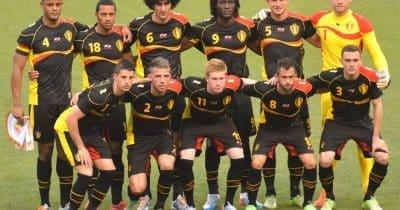
- Balogun, recognized as the top scorer for the US team, was originally suspended for a knockout match against Belgium.
- By reversing this decision, FIFA not only altered the competitive landscape but also set a precedent for potential governmental influence in sports.
- The 2026 World Cup represents a shift in how international tournaments are organized, expanding to 48 teams across multiple host nations.
The involvement of a head of state in a sports disciplinary matter brings to light questions surrounding the integrity of officiating in high-stakes tournaments. Trump's public comments about the referee reinforce concerns about fairness and the perceived 'home advantage' that his actions may constitute, especially when co-hosting the tournament.
Looking at the Bigger Picture
The ongoing relationship between Trump and FIFA President Gianni Infantino adds another layer to this situation, revealing long-standing diplomatic ties that date back to Trump's previous administration. This partnership raises questions about the future of sports governance, particularly in terms of how political interventions might shape tournament outcomes and the integrity of competitions. As this becomes the first World Cup hosted in North America since 1994, it's vital to monitor how such interactions will affect not only this tournament but also future international events.
What’s Next?
With Balogun cleared to play, the upcoming knockout match against Belgium is poised to capture global attention, making it a litmus test for FIFA's governance and the influence of political figures in sports. Observers should watch for potential reactions from other nations and how FIFA will manage scrutiny in future refereeing and disciplinary actions. The long-term implications regarding how sports organizations maintain their integrity while navigating political pressures will be critical in the coming months.
This material is for informational purposes only and does not constitute financial advice.