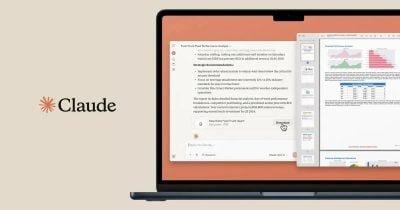
Anthropic has made a significant leap in its Claude desktop application by introducing a built-in web browser, catering to developers who have long anticipated such a feature. This addition allows users to both preview and debug web applications without the need to leave the Claude environment, marking a transition in the AI landscape from basic chat functionalities toward comprehensive workstation capabilities.
The integration of this browser pane into Claude Code, the developer-centric mode of the app, enables a smooth workflow. Developers can now execute a local server, request Claude to modify the code, and instantly see those changes reflected in the embedded browser. This eliminates the cumbersome task of switching between different applications or copying URLs, streamlining the entire development process.
Moreover, the browser supports external URLs, allowing quick access to documentation, API references, and project tracking tools like GitHub. This consolidated workspace promotes efficiency, as all necessary tools and resources are now accessible from one integrated platform.
Anthropic’s recent enhancements do not stop here; the launch also includes parallel sessions that enable users to run multiple instances of Claude conversations concurrently. This proves beneficial for developers who might need to troubleshoot one feature while ideating another. Furthermore, the introduction of plugins and connectors facilitates third-party integrations, potentially broadening the scope of the features Claude can offer to its users.
However, embedding a web browser raises critical security and privacy concerns. Historical issues have shown that browser bridges can serve as passageways for phishing, data leakage, and session hijacking. The specifics of the sandboxing architecture of the Browser pane remain undisclosed, posing a question for enterprise security teams contemplating its deployment in their tech stacks. They are likely to seek clarity on how Anthropic ensures a secure environment before integrating Claude Code into their engineering processes.
Overall, the new functionalities in Claude are poised to reshape the way developers interact with AI tools. By transforming Claude into a true development environment, it sets the stage for more productive workflows and may ultimately enhance competitive positioning in the rapidly evolving AI market. As developers increasingly embrace these advanced features, it will be critical for Anthropic to address the surrounding security implications to foster trust and widespread adoption.
This content is for informational purposes only and should not be considered financial advice.