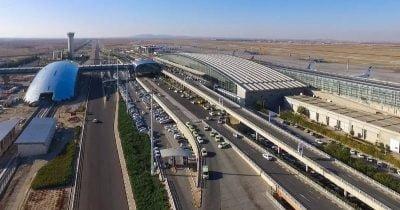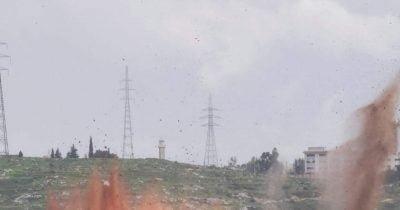
The recent escalation in tensions between Iran and the United States, marked by Iran's closure of the Strait of Hormuz and military strikes on US bases, has significant implications for regional stability and global oil markets. This aggressive maneuver follows the high-profile funerals of Iranian leaders and victims of the ongoing conflict, signaling a drastic shift in Iran's strategic posture.
Why This Matters to Investors
The sudden closure of the Strait of Hormuz, a vital maritime chokepoint for oil shipments, raises profound concerns for global oil prices and market stability. The recent military actions reflect a growing sentiment within Iran for retaliation against US and Israeli interests, indicating a move towards a more confrontational stance.
- Iran has retaliated against US bases, showcasing its military capacity and resolve.
- Market responses indicate a potential decrease in confidence regarding the stability of Iran’s leadership by the end of 2026.
- The developments could lead to increased political and military volatility in the region, affecting global oil supply chains.
These events likely encourage potential global market disruptions, particularly in the oil sector, as the Strait of Hormuz facilitates approximately 20% of the world's oil. As fighting continues, traders and investors must adjust their strategies to account for possible supply shortages or elevated prices.
Looking Ahead
Moving forward, it will be crucial to monitor Iran's military actions and the responses from the US and Israel. Additional retaliatory strikes could exacerbate tensions, while significant political shifts within Iran might further affect perceptions of market stability. Investors should stay alert to any changes in international policy or military posture, which might dramatically influence the operation of the Strait and broader geopolitical dynamics.
This material is for informational purposes only and does not constitute financial advice.