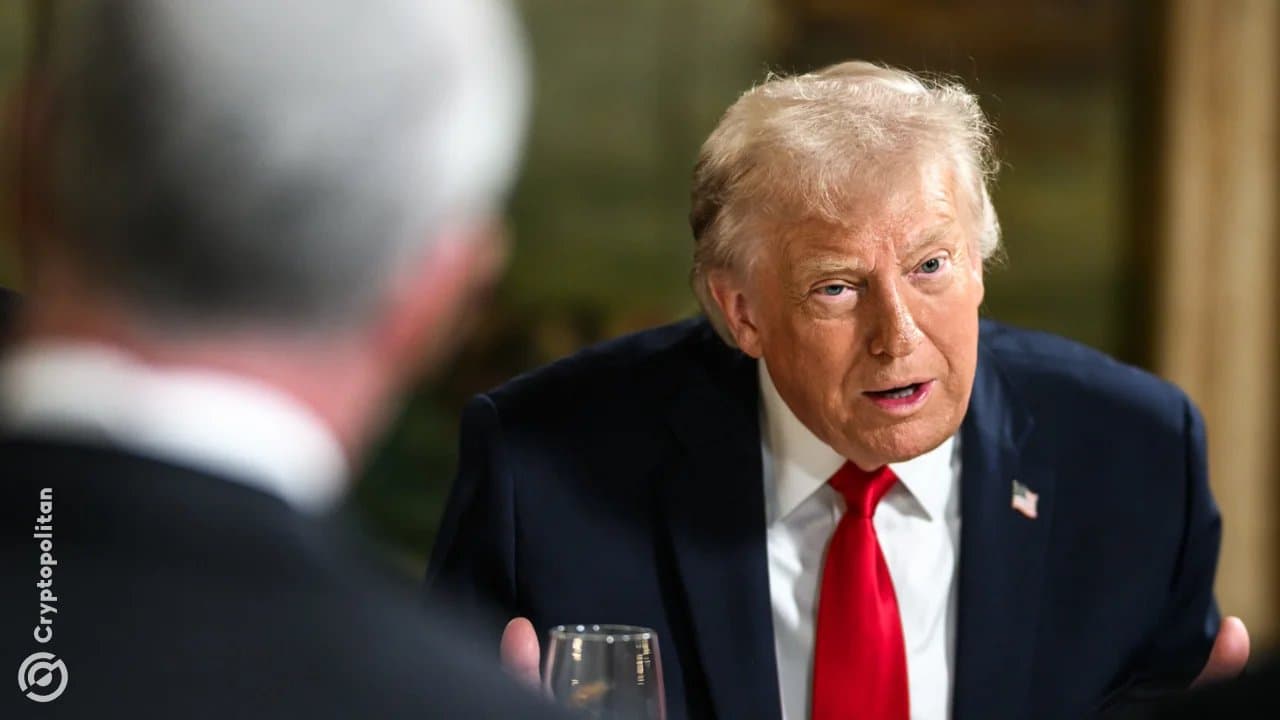
President Trump's recent push for the Senate to expedite the passage of the CLARITY Act underscores a significant strategic move in the face of escalating competition with China. This legislation, formally known as the Digital Asset Market Clarity Act of 2025, seeks to clarify the regulatory landscape surrounding digital assets by defining them into distinct categories, thus assigning different regulatory authorities. This clarity is crucial for the U.S. to maintain its competitive edge in the digital economy against China, which has been rapidly advancing its own blockchain and cryptocurrency initiatives.
After successfully passing the House and gaining traction from the Senate Banking Committee, the bill now finds itself at a critical crossroads as it awaits a vote from the full Senate. Analysts currently give it a 55-60% chance of being passed before the August recess. However, challenges remain, including ethical concerns tied to Trump's personal cryptocurrency holdings and the necessity for a 60-vote threshold in the Senate. These complications could hinder progress, further entrenching partisan divisions around the issue of digital asset regulations.
As the legislative process unfolds, market observers are keenly monitoring developments surrounding the CLARITY Act. The current odds for the bill being signed into law in 2026 have fluctuated, now resting at 39.5% in favor. This volatility reflects not only the unpredictable nature of the legislative process but also the inherent uncertainties in the crypto market. Traders and investors closely watch figures such as Senate Majority Leader Chuck Schumer and Senate Banking Committee Chairman Tim Scott, as their statements and actions could serve as barometers for market sentiment regarding the bill.
Trump's ongoing advocacy will likely play a pivotal role in shaping the bill's trajectory and, by extension, influencing market pricing. Any ethical discussions regarding his involvement could introduce further layers of complexity to the bill's passage. As such, the next few weeks are critical; a scheduled vote may indicate the likelihood of the bill's success or failure, and consequently, affect investor confidence in U.S. regulatory stability relating to digital assets.
This article is informational and does not constitute financial advice.