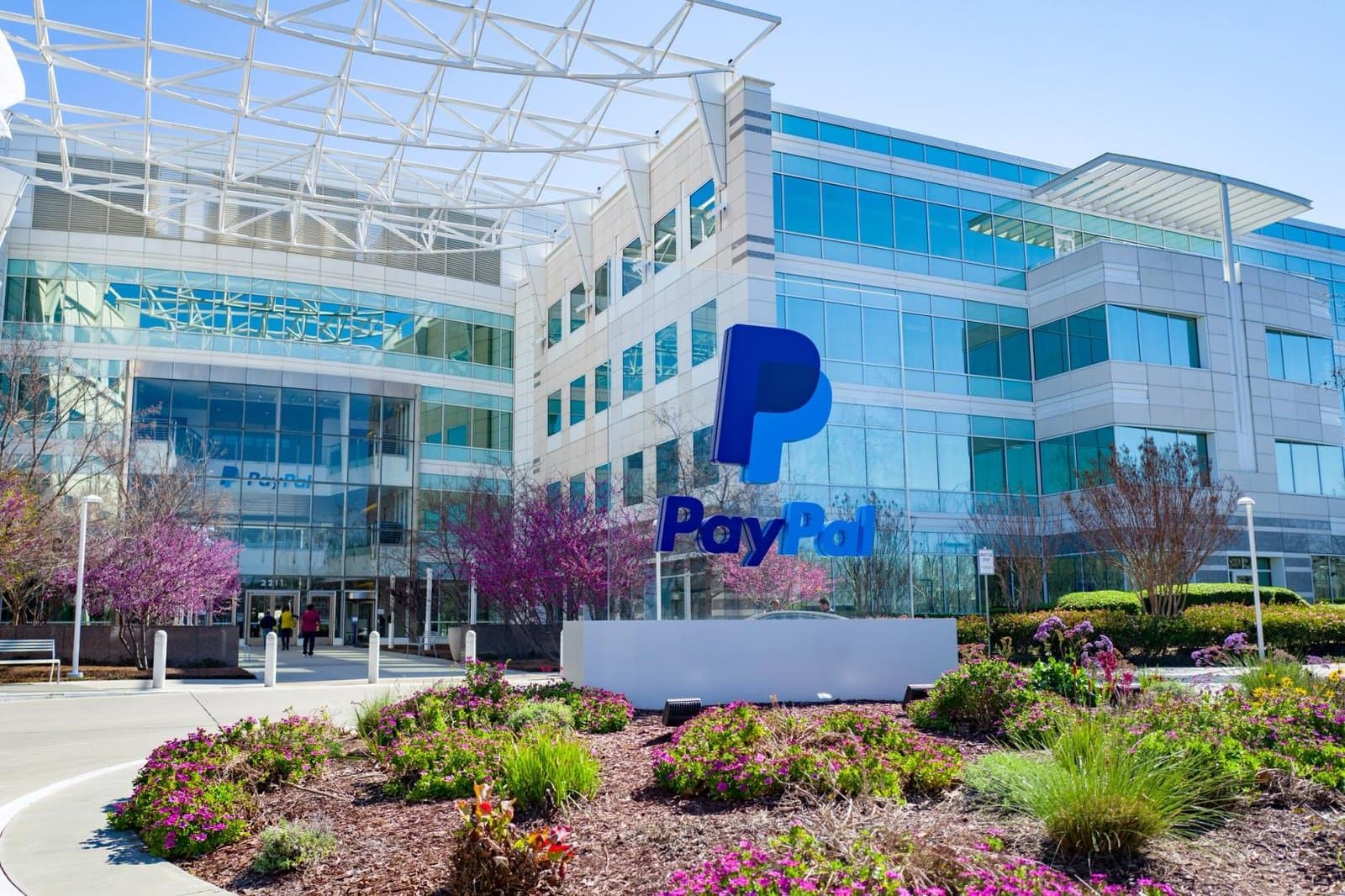
The $53 billion bid by Stripe for PayPal has stirred significant discussions within the fintech sector, particularly regarding the future of digital payments. This acquisition, if successful, could lead to the unification of two major players, leveraging PayPal’s extensive network of over 400 million active accounts alongside Stripe’s advanced infrastructure.
At the heart of this potential deal lies the strategic importance of consumer wallets and stablecoin capabilities. Analysts emphasize that while Stripe may have intentions to replace PayPal’s PYUSD stablecoin with its own OpenUSD, the real value of the acquisition is rooted in the underlying payment infrastructure. As Torab Torabi, CEO of Movement Labs, noted, the infrastructure that facilitates payments is often more critical than the branding on the wallet itself.
Moreover, Stripe’s ongoing initiatives, including its recent acquisition of Bridge for $1.1 billion and the launch of its blockchain network Tempo, illustrate its commitment to enhancing its stablecoin infrastructure. The collaboration with other industry giants in the Open USD consortium further positions Stripe to challenge established competitors like Circle’s USDC.
While the bid faces potential antitrust scrutiny and regulatory hurdles amidst the evolving U.S. stablecoin framework, it also highlights a significant shift in consumer payment preferences, where traditional fiat-backed stablecoins are increasingly becoming mainstream. If Stripe successfully integrates PayPal's capabilities, it could accelerate the adoption of stablecoins among everyday consumers, pushing digital payment solutions into a new era.
This article is for informational purposes only and should not be considered financial advice.