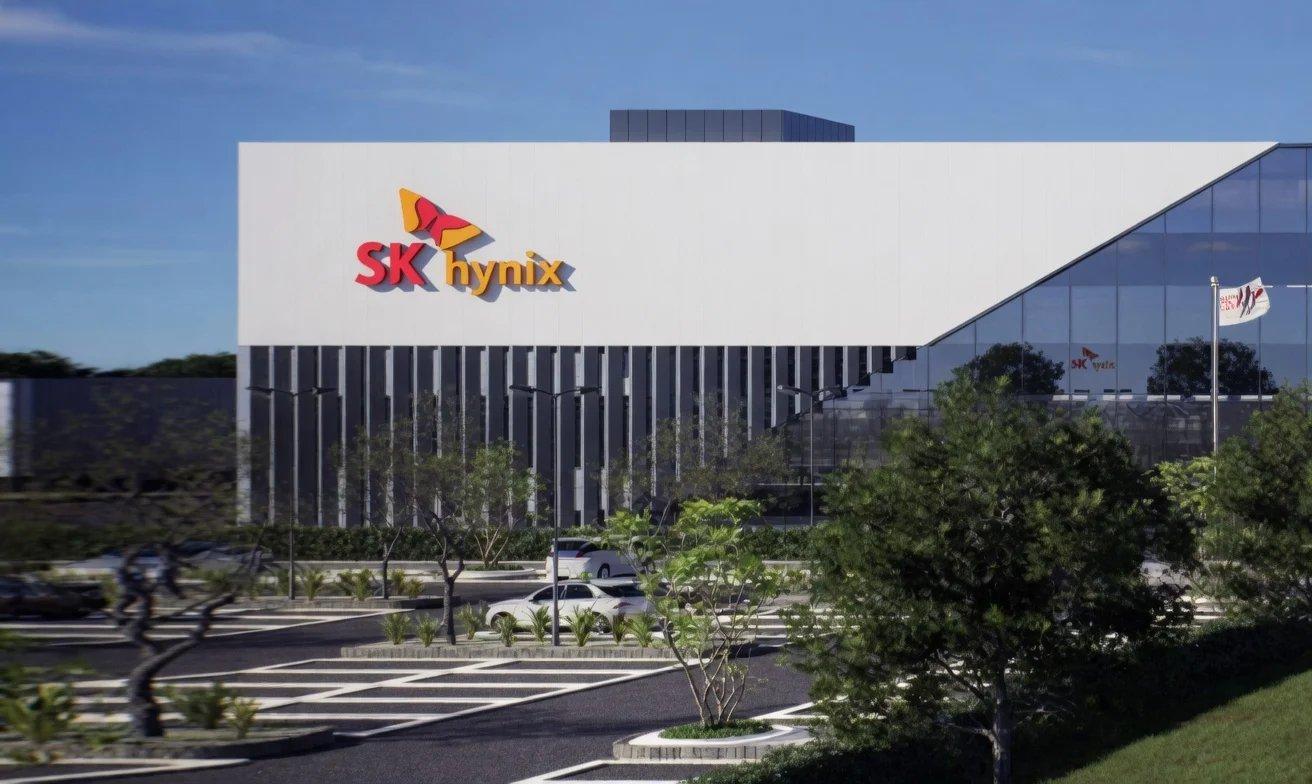
The semiconductor market has just witnessed SK Hynix's impressive entry into the Nasdaq, with its shares surging 13% following a hefty initial public offering (IPO) worth $26.5 billion. This significant debut not only highlights SK Hynix's strong position in the memory chip sector but also raises alarms about future challenges in the industry.
At the helm of this move, the CEO of SK Hynix has made a bold forecast, predicting that 2027 will mark the worst supply year in memory chip history. Such a declaration paints a rather bleak picture for an industry that has already been experiencing supply chain volatility and fluctuating demand. As memory chips are crucial components for a wide array of technologies, from smartphones to data centers, this forecast could signal serious ramifications across the tech landscape.
This surge in stock price suggests that investors are optimistic about SK Hynix's potential to navigate through challenging waters, but it also raises questions about how the anticipated crunch will affect other players in the industry. For instance, companies like AMD and Intel have been realigning strategies in response to market dynamics, as addressed in discussions about divergent strategies in the semiconductor sector. As the supply issues become more acute, rival firms may find themselves scrambling to meet demand, potentially leading to increased prices and further market consolidation.
The implications of this forecast extend beyond just one company. Investors should closely monitor the memory chip market, weighing the risks associated with potential shortages against the backdrop of global tech demand. If SK Hynix's predictions hold true, the industry may experience not only disruptions but also changes in competitive dynamics, as companies that can secure supply chains will likely gain significant advantages.
This material is informational and not financial advice.