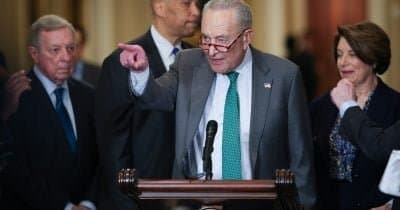
Senate Democrats have recently blocked the advancement of the National Defense Authorization Act (NDAA), raising alarm over the implications of increased military ties with Israel and the potential fallout for the Iran conflict. This legislative decision comes amidst a delicate ceasefire that has been jeopardized by escalating tensions between the US-Israel coalition and Iran.
The NDAA's proposed Section 224 aimed to enhance military collaboration between the US and Israel. However, Democrats argue that this could inadvertently escalate American involvement in future conflicts with Iran, showcasing a significant political divide within the US regarding defense strategy.
The implications of this legislative blockade are profound, particularly in light of ongoing discussions about a potential US-Iran deal. Market analysts are already signaling a decrease in optimism regarding reconstruction funding being part of any future agreements between the US and Iran, a sentiment that resonates with the current political climate.
As the internal tensions within the US Senate unfold, observers will be closely monitoring how these dynamics impact upcoming negotiations or military actions involving Iran. Key figures, including President Donald Trump and Chief Negotiator Mike Vance, will be key in shaping the next steps in this complex geopolitical landscape. Developments in US-Israel defense cooperation or shifts in Iran's nuclear activities could further influence market perceptions and the feasibility of a US-Iran deal.