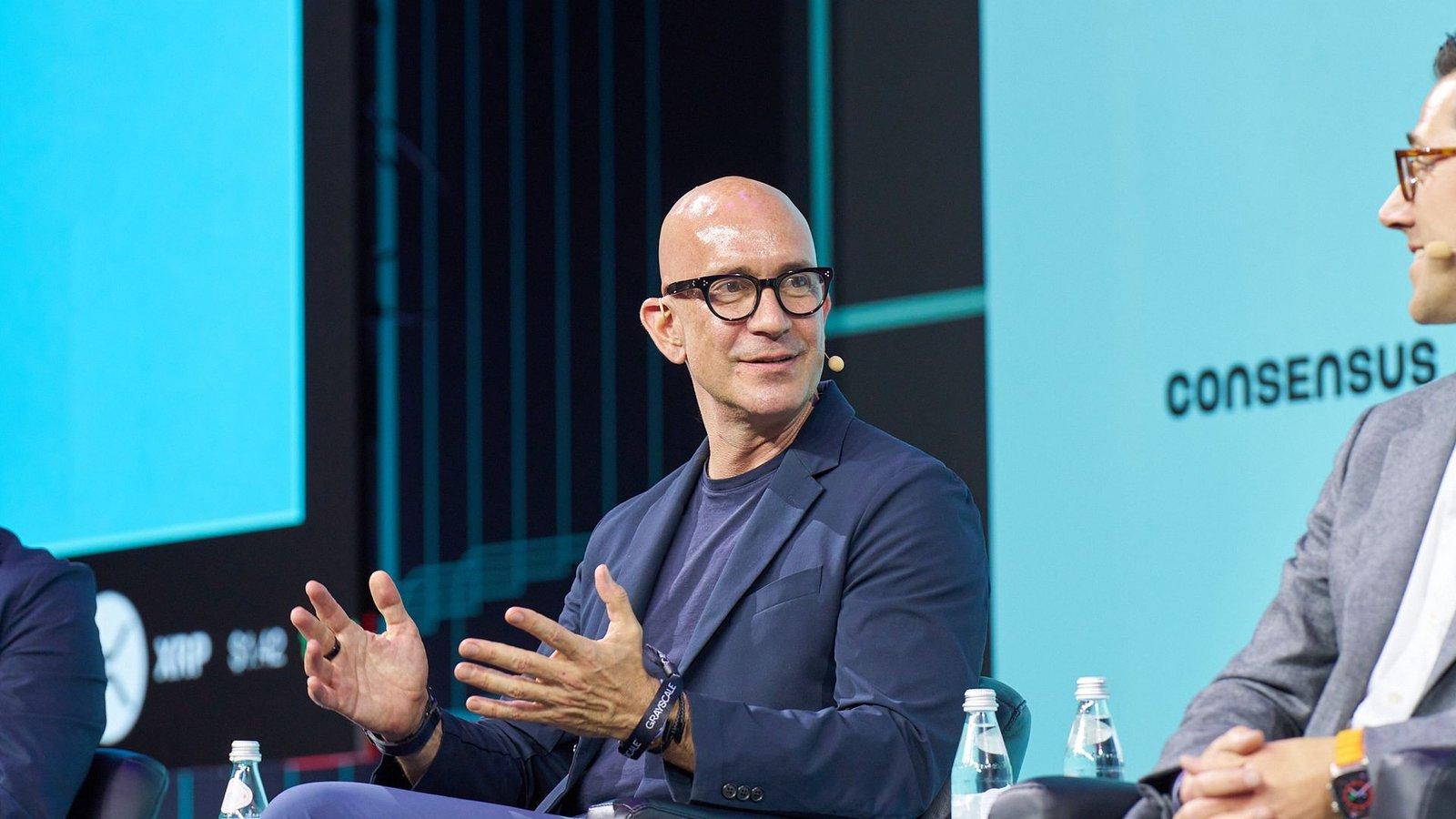
In the wake of its recent public offering, Securitize is strategically positioning itself to shape the future of institutional tokenization, and the implications of its plans cannot be understated. Following its debut on the New York Stock Exchange through a merger with Cantor Equity Partners II, CEO Carlos Domingo outlined an ambitious plan to utilize a $400 million capital infusion to enhance its tokenization services. However, instead of pursuing direct competitors, the firm is focusing on acquiring complementary businesses that could enrich its offerings.
Capitalizing on a Growing Market
Domingo emphasized that the firm views the tokenization of equities and exchange-traded funds (ETFs) as a critical growth vector. Transforming even a fraction of the staggering $140 trillion global equity market into on-chain assets could potentially establish a multi-trillion-dollar sector. This objective aligns with Securitize’s historical performance, having already issued approximately $4.4 billion in tokenized assets, including a significant $2.2 billion tokenized U.S. Treasury money market fund for BlackRock.
Strategic Acquisition Focus
Interestingly, Securitize's direction is underpinned by a clear rejection of opportunistic acquisitions that do not add substantive value. "We're not looking to buy rivals because they do not contribute anything we lack in terms of technology," Domingo stated, reinforcing the company's strategic approach. Instead, Securitize seeks to identify businesses that can provide adjacent services to its current customers, effectively transforming itself into a comprehensive service hub for institutional tokenization.
This strategy is particularly relevant in an evolving financial landscape where the demand for innovative tokenization solutions is surging. As asset managers increasingly recognize the benefits of blockchain technology, companies like Securitize that are equipped with robust technological frameworks will likely thrive.
Future Implications for Investors
For investors, Securitize's moves offer critical insights into the future trajectory of the tokenization market. The company’s focus on growing its institutional capabilities and establishing a one-stop shop not only solidifies its competitive edge but also highlights the increasing sophistication of tokenized assets in mainstream finance. As the market expands and more traditional finance players seek to enter the tokenized asset space, Securitize's early positioning could result in significant market share and bolster investor confidence.
Ultimately, the implications of Securitize's strategy extend beyond mere acquisitions. As institutions navigate the complexities of adopting blockchain technology, the foresight exhibited by Securitize today may very well define their success and influence the broader institutional adoption of tokenization.