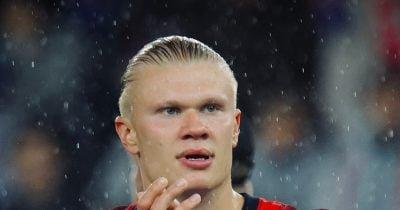
In a notable move within the global sports landscape, Saudi Arabian club Al-Ahli is nearing the completion of a transfer deal for Portuguese winger Francisco Trincão from Sporting CP, with figures reported between €45 million and €60 million. This transfer not only underscores the club's aggressive acquisition strategy but also reflects Saudi Arabia's broader ambition to diversify its economy away from oil dependency.
The Implications of High-Profile Transfers
Trincão, who is set to sign a contract extending until 2030, has become a key target for Al-Ahli as the club seeks to establish itself as a formidable player in the Saudi Pro League. His reported annual salary of up to €18 million highlights the financial clout that Saudi clubs are willing to exert in the global market. Interestingly, this level of expenditure positions him as a significant asset rather than merely a 'retirement-league' signing, given that he is entering the peak years of his career.
The interest from Premier League giants like Manchester City and Tottenham, despite their inability to displace Al-Ahli's pursuit, further illustrates the competitive nature of this transfer market. The increasing trend of Saudi clubs acquiring talent from European leagues, particularly from countries like Portugal, reinforces their role as major players in international football.
Shifting Economic Paradigms
European clubs, especially those listed on exchanges such as Euronext Lisbon, face new dynamics as Saudi clubs emerge as prominent buyers. The financial implications for clubs like Sporting CP are substantial; a transfer fee in this range can significantly impact their financial health and competitive standing. This trend bears similarities to major shifts observed in other industries, such as the tech sector, where investments signal deeper economic transformations.
As the Saudi Pro League continues its spending spree, it raises questions about the future of talent acquisition in global sports. Will this influx of capital from the Gulf change the traditional flow of players and investments in football? As the landscape evolves, teams worldwide may need to reassess their strategies to remain competitive.
This material is informational and not financial advice.