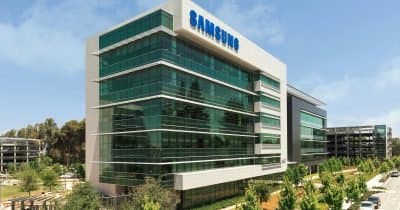
Samsung, the South Korean technology conglomerate valued at over $300 billion, is reportedly in preliminary talks regarding a potential share sale in the United States. This could significantly transform how American investors engage with one of the largest tech entities globally. While specifics regarding the size or structure of the deal remain undisclosed, initial reports emerged on July 14, 2026, hinting that these discussions are still in their infancy, lacking formal confirmations or regulatory filings.
A US listing for Samsung could unlock a substantial avenue for institutional capital, particularly as it positions itself alongside tech giants like Apple, Nvidia, and TSMC. Notably, these competitors do not impose the requirement for investors to maintain a Korean brokerage account, thus simplifying the investment process for American clientele.
Beyond conventional technology, Samsung has quietly established a foothold in the cryptocurrency space. Since 2019, it has provided a non-custodial Blockchain Wallet integrated directly into its Galaxy smartphone lineup, supporting key digital assets such as Bitcoin and Ethereum. Further, in May 2026, Samsung’s financial subsidiaries collectively committed over $200 million to Dunamu, South Korea’s leading cryptocurrency exchange, further blurring the lines between tech and digital finance.
The discussions about a US share sale appear distinct from Samsung's digital asset strategies, suggesting that the company is being strategic in presenting its offerings to varied investor bases. A US listing may not just enhance Samsung's visibility and accessibility as a diversified investment vehicle but also offer investors indirect exposure to the burgeoning crypto market through its established blockchain initiatives.
However, potential investors should exercise caution as these negotiations are in early stages and may not culminate in an actual listing. Historical context shows that firms frequently explore US listings without progressing to completion. Factors such as regulatory hurdles, fluctuating market conditions, and internal dynamics can disrupt the process, especially with South Korean regulatory perspectives on substantial domestic companies pursuing capital abroad.
This article is for informational purposes only and does not constitute financial advice.