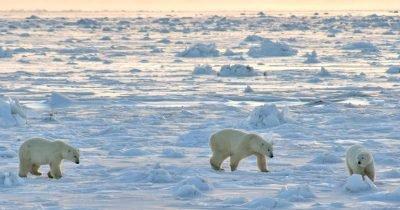
The recent warning from Canada's Foreign Minister regarding Russia's increased military presence in the Arctic brings to light critical geopolitical dynamics that could reshape international relations and strategic interests in this resource-rich region. As Russia solidifies its foothold through the establishment of new military bases and the reactivation of former Soviet sites, neighboring Arctic nations are forced to reassess their security postures and economic strategies in response.
Why This Development Matters
The warning issued by Canada is significant as it reflects a broader trend of increasing military activities in the Arctic, potentially signaling the onset of a new phase in Arctic geopolitics. This shift in security threat perception is not just about territorial disputes but also concerns access to vital natural resources and shipping routes. Key points to consider include:
- Russia is intensifying its military presence, indicative of its long-term strategic ambitions in the Arctic.
- Geopolitical shifts may encourage the United States to re-engage its interests in the region, particularly regarding Greenland.
- Market perceptions regarding U.S. acquisition scenarios for Greenland are remaining stable, with recent odds indicating a solidified interest at around 6%.
By emphasizing security in the Arctic, Canada may be inadvertently fueling narratives surrounding former President Trump’s proposed acquisition of Greenland, as market odds have shown a minor increase to 4.7%. This shift could lead to varying responses from stakeholders within the region, particularly as diplomatic discussions between the U.S. and Denmark progress.
Looking Ahead: Potential Strategic Outcomes
Analysts will be keeping a close eye on any further initiatives exhibited by Russia in the Arctic, which could provoke stronger responses from NATO allies and other Arctic states. In addition, the ongoing diplomatic dialogues concerning the U.S. interest in Greenland will be crucial to monitor. Any significant military or geopolitical repositioning in the region will influence market speculation and perceptions about potential acquisitions or alliances. Future statements from influential leaders in the U.S. or Denmark could catalyze shifts in current market dynamics.
Disclaimer: This material is for informational purposes only and is not financial advice.