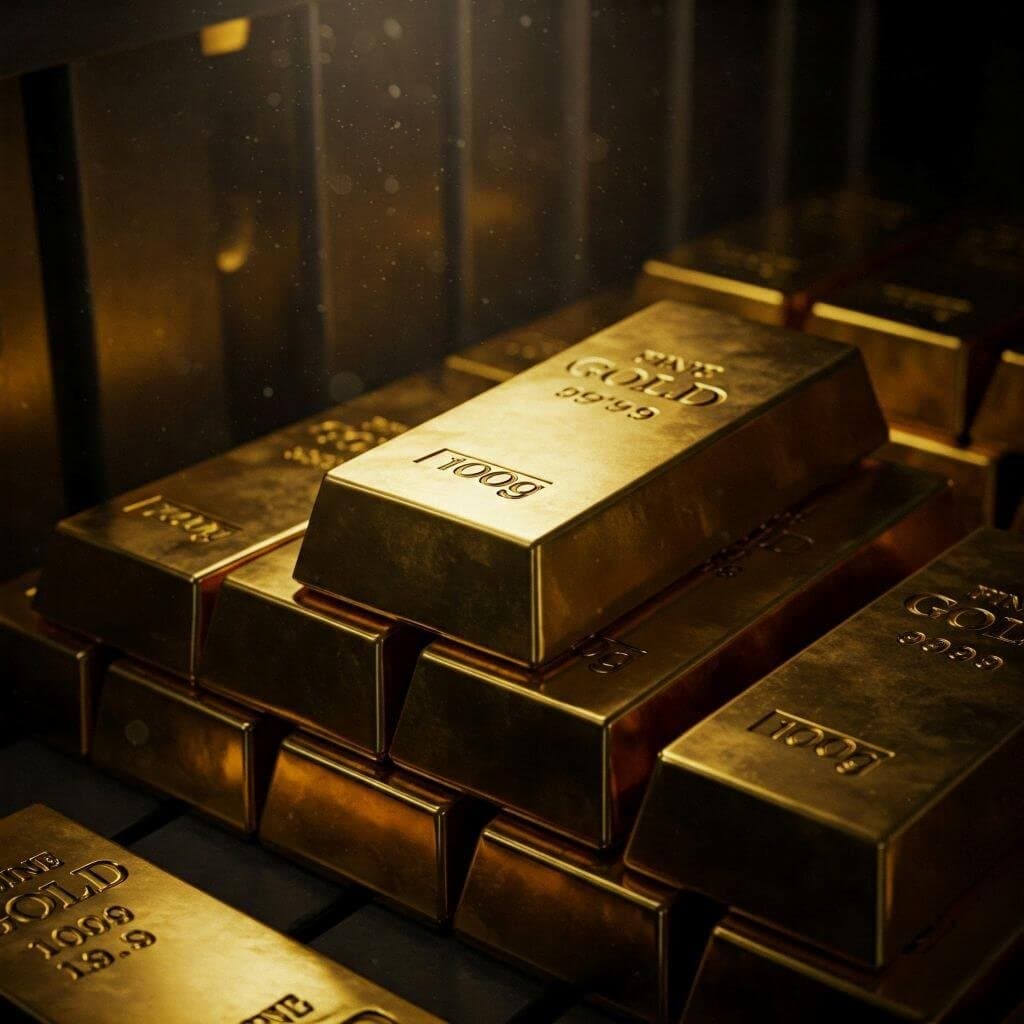
Gold prices fell by 0.7% to $4,030.37 per ounce as the ongoing unrest in the Middle East drove oil prices higher, reigniting fears of inflation. This decline was noted despite a significant drop in U.S. producer prices, which fell 0.3% in June, against expectations for no change. Gold futures followed suit, slipping 0.4% to $4,037.10. Silver and platinum also came under pressure, decreasing by 1.7% and 0.6%, respectively.
The increase in oil prices, driven by renewed military actions in the region, particularly U.S. strikes on Iranian targets, has raised concerns that inflation may remain elevated. Brent and West Texas Intermediate crude prices have risen for four consecutive days, indicating a potential disruption in supply, especially through the critical Strait of Hormuz. Such increases in crude prices can complicate the Federal Reserve's efforts to maintain its inflation target of 2%.
Market participants are trying to gauge whether the Fed will interpret the rise in oil prices as a transient shock or a lasting inflation threat. Fed Chair Kevin Warsh reaffirmed the central bank's commitment to controlling inflation, suggesting that any persistent price pressures might necessitate prolonged high interest rates. Notably, he dismissed claims that advancements in AI would contribute to inflation independently.
Investors are now closely watching upcoming speeches from Fed officials for insight into future interest rate decisions. As analysts, including those at MUFG, observe the interplay between rising oil prices and U.S. inflation, the outcome could significantly influence gold's near-term performance. Maintaining strategic allocations in precious metals may be prudent if inflationary trends continue to evolve.
This article is informational and should not be considered financial advice.